



In recent years, thrifting — shopping for secondhand goods — has changed from a somewhat obscure hobby to a worldwide trend and fashion industry.
According to TikTok, there are over 5.2 million videos with #thrift in the caption, reflecting the trend’s popularity. Even though vintage fashion has been popular for decades, it is now more available to everyday people. With the rise in popularity of thrifting comes the detrimental effects of thrift “resellers,” who change the culture of thrifting from a hunt to find cheap and unique clothing into a way to turn a profit.
Delphine Wadlund, Berkeley High School senior and president of the Sustainable Fashion Show club, explained the negative impact that resellers can have on the thrifting community.
“I believe that resellers who upcharge on rare clothing pieces aren’t really in it for the spirit of fashion,” Wadlund said, “One of the things in the fashion world that brings me a lot of joy, and I know brings others a lot of joy, is when you’re able to find that beautiful piece of clothing that you’ve been wanting at a lower price than you expected.”
The thrifting economy essentially has three different types of markets: large chains, curated consignment stores, and online marketplaces. At each place, there are people there for the love of fashion, people there to find cheap clothes, and people there to make a profit off of thrifted clothes.
Chain thrift stores such as Goodwill, Salvation Army, and Savers/Value Village sell donated clothing at cheap rates. Large stores like these make finding desirable pieces of clothing more of a treasure hunt, given the sheer amount of clothing to look through. This is the most affordable way to thrift, which makes it utilized by everyday people and resellers alike.
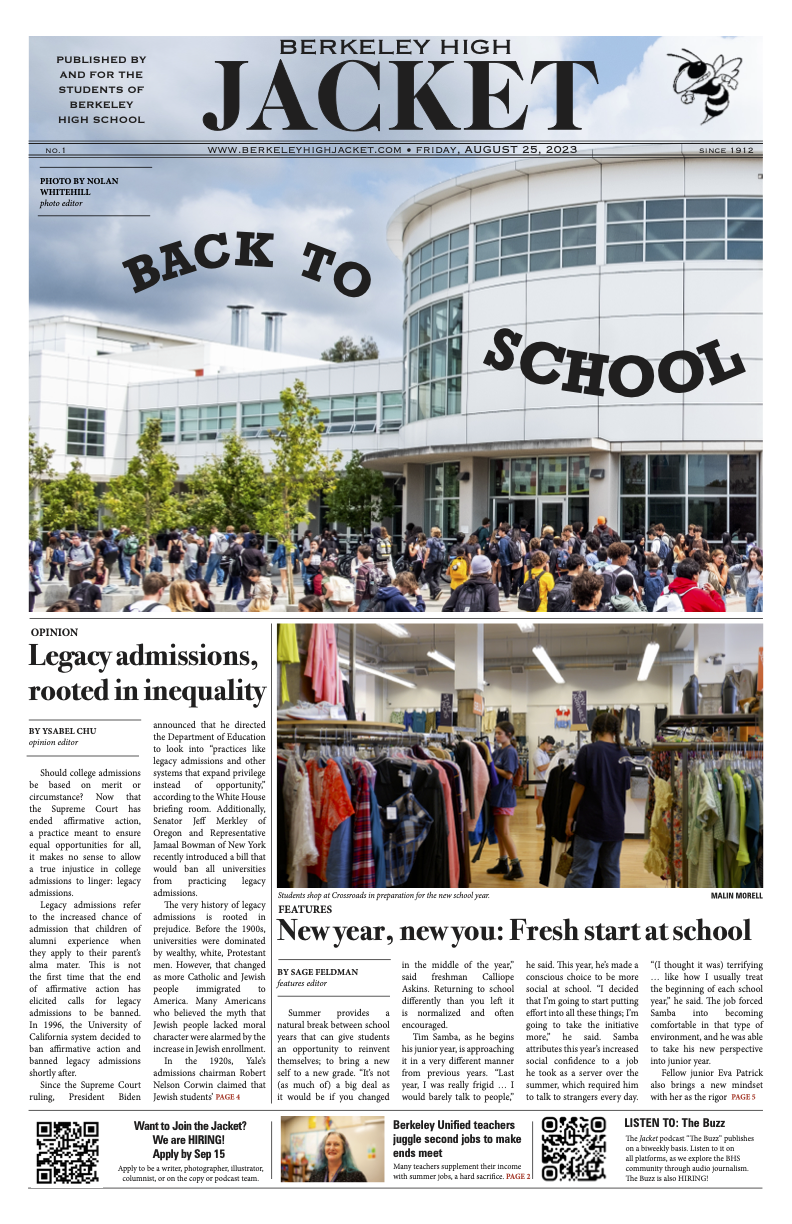
Consignment stores, like Crossroads Trading and The Wardrobe Project, offer a more upscale version of secondhand shopping. They sell secondhand goods on behalf of the owner, splitting the profits. This is where luxury vintage fashion sales often happen, from brands such as Miu Miu to Moschino, giving resellers an easy outlet to sell vintage clothing.
However, the forums that resellers most dominate in are online marketplaces.
With the COVID-19 pandemic, people worldwide became unable to shop in person, and demand grew for an online version of thrifting.
Apps such as Depop, a social e-commerce marketplace for buying and selling second-hand fashion, gained traction, especially with Generation Z, which helped bring secondhand clothing online. Ninety percent of the app’s users are between 13 and 26, according to Business of Apps.
Wadlund said, “I think Depop is a great way (to thrift) because it provides a very accessible and also very fun and stimulating way to find unique clothing that will help not put more clothing waste in the world and also offers better prices to students.”
Alternative websites such as Vinted and eBay provide online thrifters with other options.
Resellers go to places like thrift stores, garage sales, estate sales, online marketplaces, and wholesale suppliers to buy vintage clothing for cheap, according to Nifty, an online resale site. They then resell these clothes for exponentially higher prices than what they bought them for.
For example, the Goodwill bins in San Francisco charge about two dollars per pound of clothing, according to Yelp. If a reseller purchases a pair of jeans for two dollars, but they are vintage Dior, then they could charge upwards of five hundred dollars for them online, eBay comparisons show. This seller would then gross $498 in net profit.
When resellers ransack places that provide opportunities to find unique and vintage clothing, they take away the ability to find that at a more sustainable price.
Others argue that the amount of clothing in thrift stores isn’t decreasing — according to the Guardian, thrift stores only sell up to 20 percent of donations — so resellers aren’t making a tangible impact on thrift stores.
However, the clothing sold should go to people that need it, not resellers who are using it to make money.
Thrifting originated as a means to fundraise for charities while providing poverty relief. Resellers detract from the original purpose, converting thrifting into a hunt for large profit margins.
