
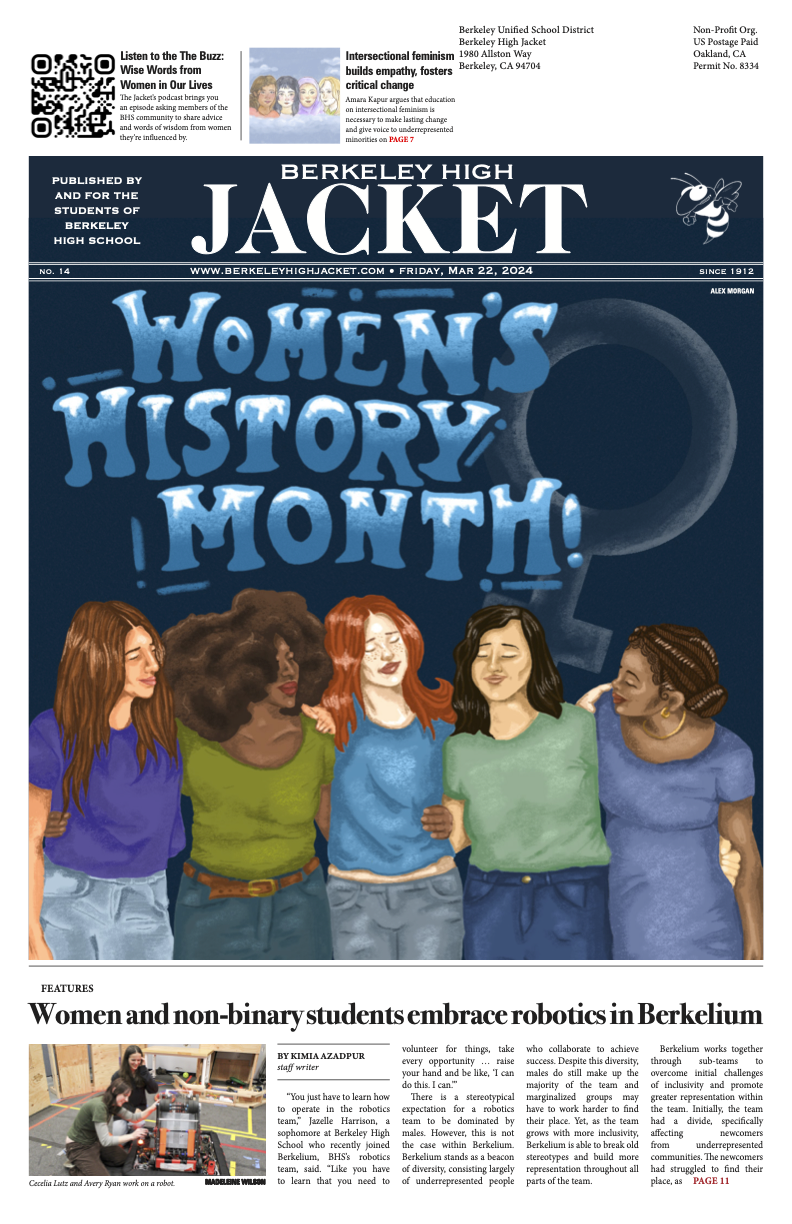



The term "feminism" was coined by a nineteenth-century French philosopher, who believed that women’s liberation was impossible without achieving freedom for all working people. That link between feminism and broader social change has continued ever since, sometimes causing tension.
The “first wave” of feminism emerged in the late 19th to early 20th century and focused on women’s right to vote. The first countries to grant women voting rights were New Zealand in 1893 and Finland in 1906. The 1917 socialist revolution in Russia gave women not only the right to vote but also divorce rights, workplace equality, paid maternity leaves, and subsidized childcare. Not everything about that socialist system was admirable, but it is hard to deny that its early reforms on women’s rights were genuinely ahead of their time.
During World War II, American women did factory work, built ships, and were major contributors to the war effort. But in the 1950s, the “American dream” was repackaged in new gendered terms, marking a step backwards for feminism. In popular culture and the patriarchal society, men were breadwinners and women were homemakers.
The “second wave” of feminism in the 1960s and 70s was a reaction to that backward picture. New feminists fought against workplace discrimination and sexual violence, for reproductive rights and economic independence. They achieved real victories: Title IX in 1972 banned sex-based discrimination in education and athletics, and the 1973 Roe v. Wade Supreme Court decision established a woman’s right to abortion. But many forms of inequality continued.
More recently, the “third wave” of feminism has emerged. It brought the problem of sexual harassment into open discussion — #MeToo movement — and recognized that gender equality is connected to the issues of race, class, and sexuality. But at the same time, a real split between two types of feminism has emerged: “liberal feminism” and “progressive feminism.” Liberal feminism we encounter in mainstream culture: it focuses on individual success, like celebrating women CEOs and women in high-power offices. Progressive feminism asks a tougher question: if we focus on individual women who rise to the top, do we ignore structures of inequality that cause millions of women to struggle with low wages, poor healthcare, and no childcare? Progressive feminism argues that we must fight for economic and racial justice, not just individual achievement.
Feminism has always been about power: who has it, who doesn’t, and what a fairer world might actually look like. This is why a feminist outlook should not be limited to just women — it should be the perspective of any person who believes in justice for all.