
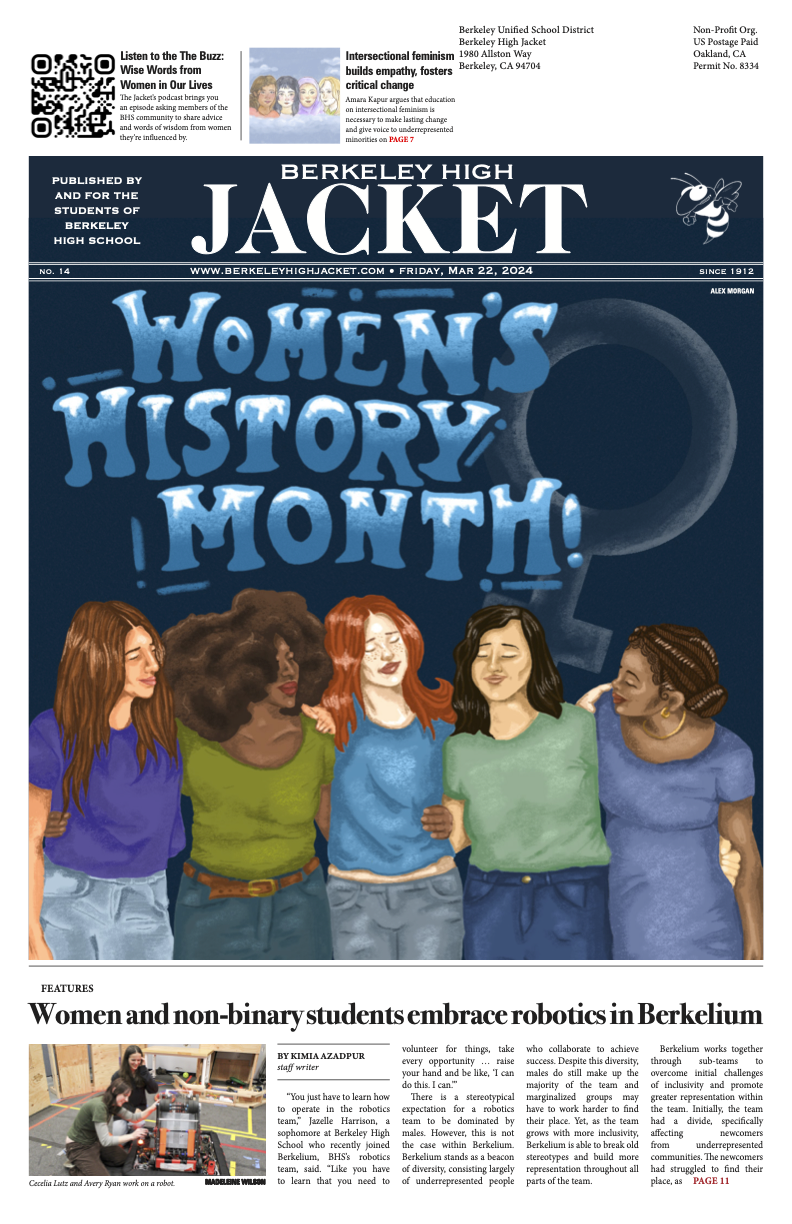

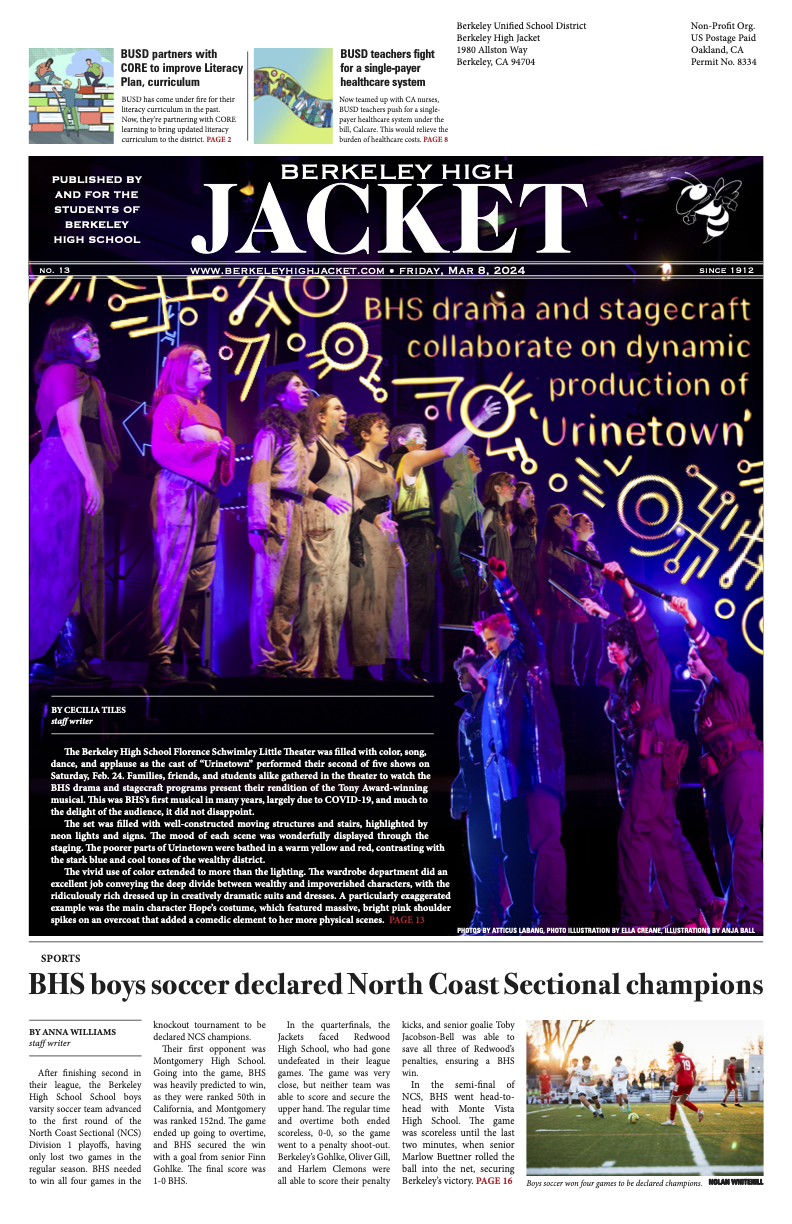
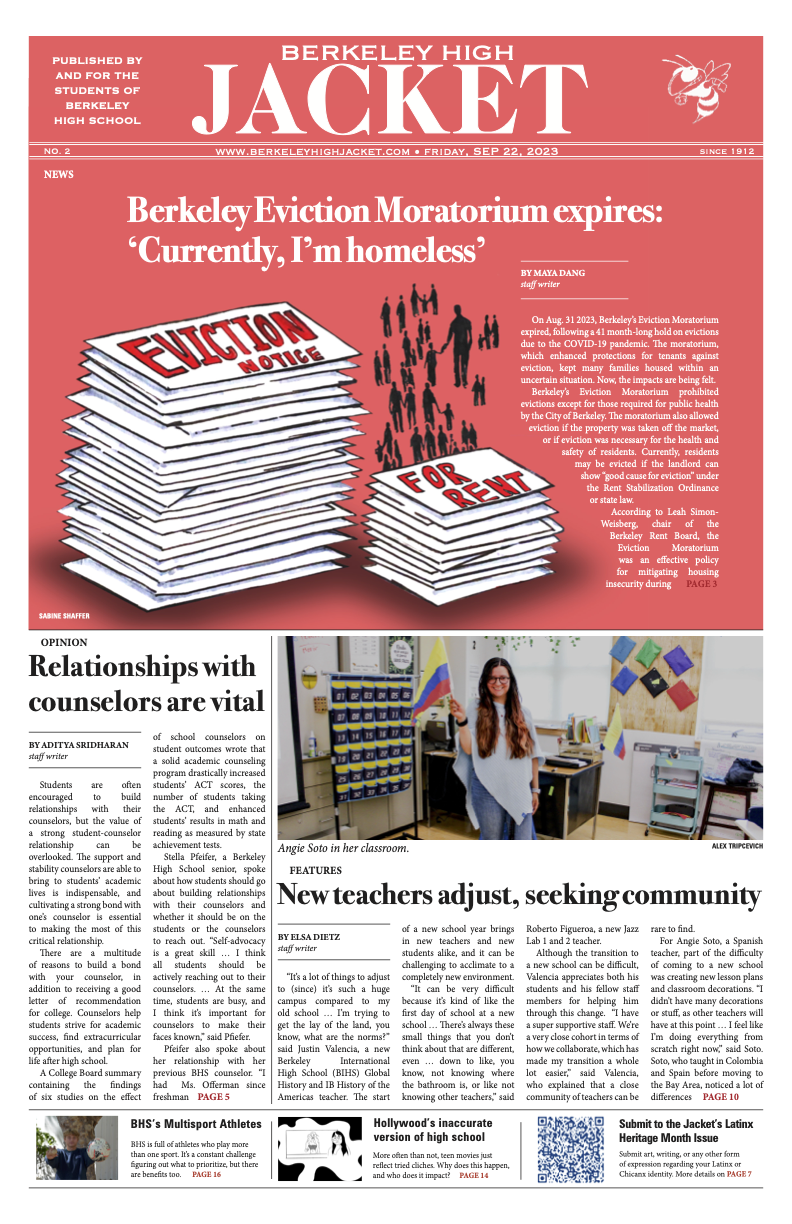
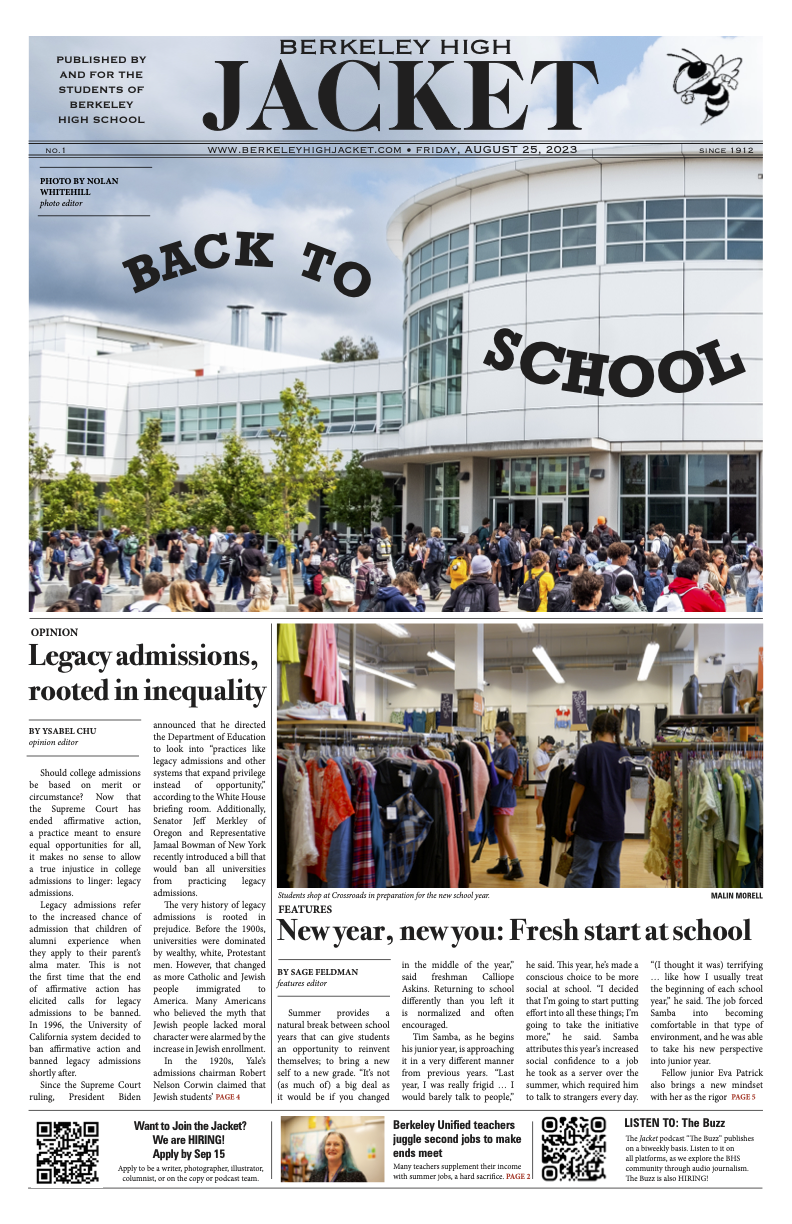

Living in the United States, we cannot avoid advertisements. We encounter them everywhere: on billboards, on flyers, in videos, and all other forms of media. When ads talk about products, they insert them into stories which are not really about products at all, but about something else: what kind of people should use these products, what social roles they should play, what social images they should aspire to, and what social relations they should have. In these stories, women often appear in particular roles: as background characters who accompany men, as sexualized objects, and as comedic relief.
Since the early 20th century, countless ads have reproduced familiar sexist stereotypes. From the 1950s to the 1970s, it was common to portray women as homemakers, cooking and cleaning in aprons and house robes while their husbands relaxed after work. The underlying message was that men do serious work and women “serve” them as wives. Some of these ads were aimed at men, suggesting that by buying the product they were fulfilling their gendered role as leaders in a marriage. Ads played on the fear of not living up to that norm, adding pressure for men to make the purchase. Ads with underlying stereotypes remain common today.
Another type of ad portrays women as objects of the gaze: they strike provocative poses, look flirtatious, or appear in various states of undress. Such ads often sexualize completely normal behavior, like eating or bending over to pick something up. This approach does not only promote misogynistic stereotypes; it also pushes women to internalize unrealistic standards of behavior and body type, causing insecurity and fear of not fitting in. These ads also reinforce the idea that treating women this way is normal, and that women themselves should aspire to be treated this way to be accepted in society.
Using women in ads as comedic relief is also increasingly common. The “get a load of this guy” (or this gal) trend is used to make content relatable. By making jokes about women, ads try to reach their male audience. But most of these jokes play with misogyny, often poking fun at all women. They often turn normal human behavior into something that is supposedly unique to women, like hormone changes, mood swings, and other things all people experience, or playing into harmful stereotypes that are untrue but somehow still popular topics of conversation, like women being too emotional for important jobs, or needing men to lead the way to success.
Recently, some brands have started to break this harmful pattern. The Dove Real Beauty Campaign, launched in 2004, featured photographs of women of all ages, sizes, and backgrounds, paired with inclusive captions like "wrinkled or wonderful” and “fat or fab.” The message invited audiences to rethink how they see their own bodies. I guess it comes as no surprise: respecting women isn’t just right. It also sells.