

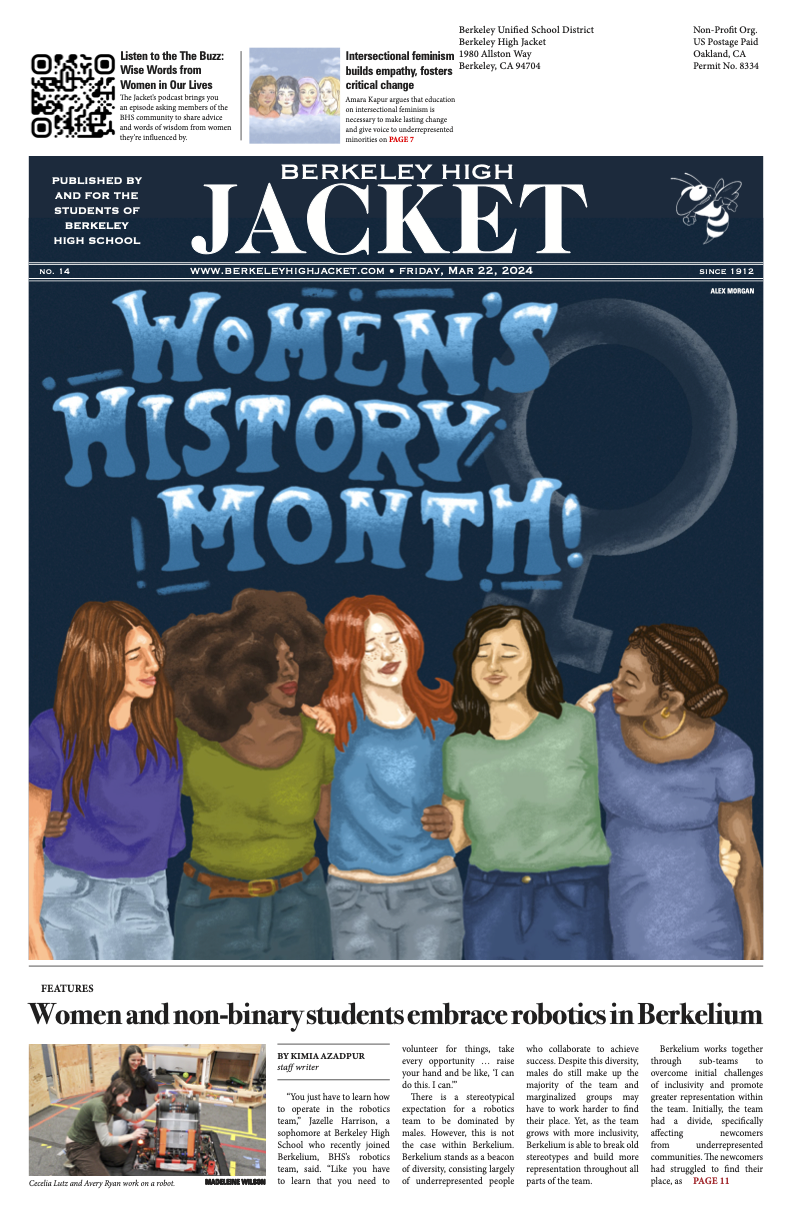
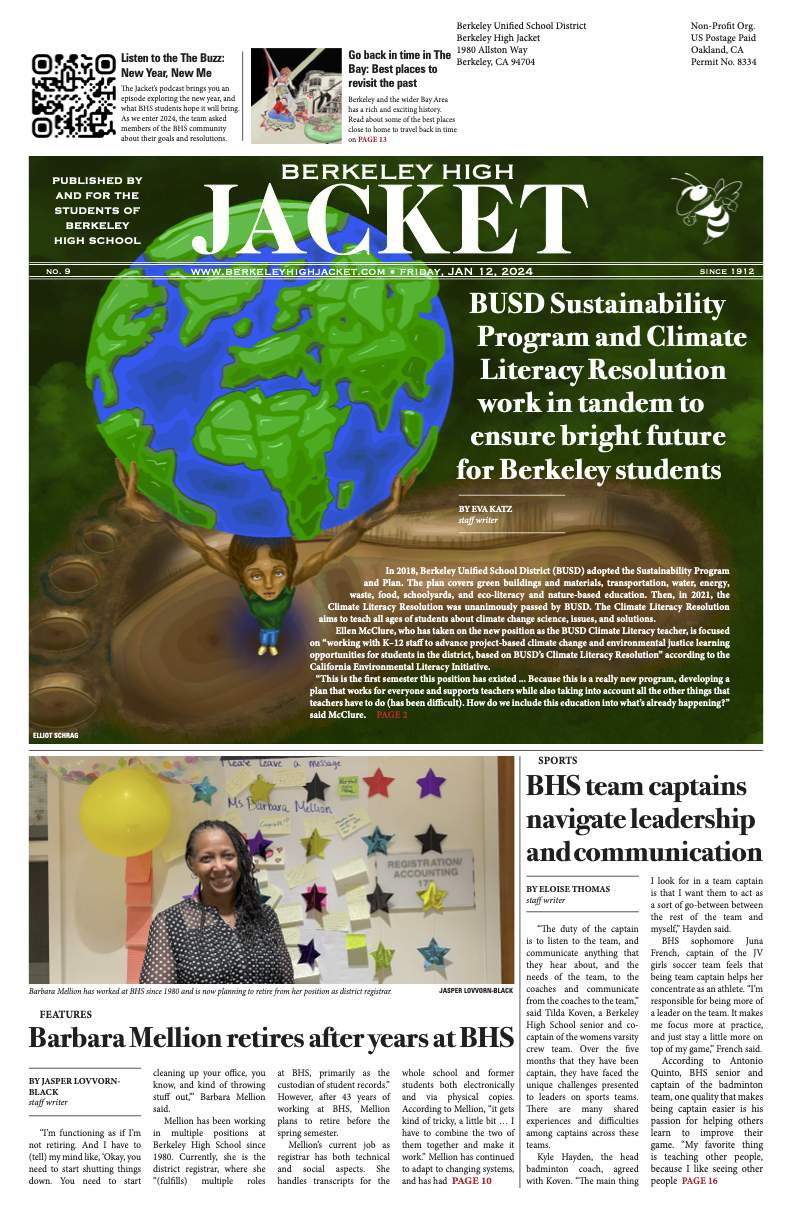
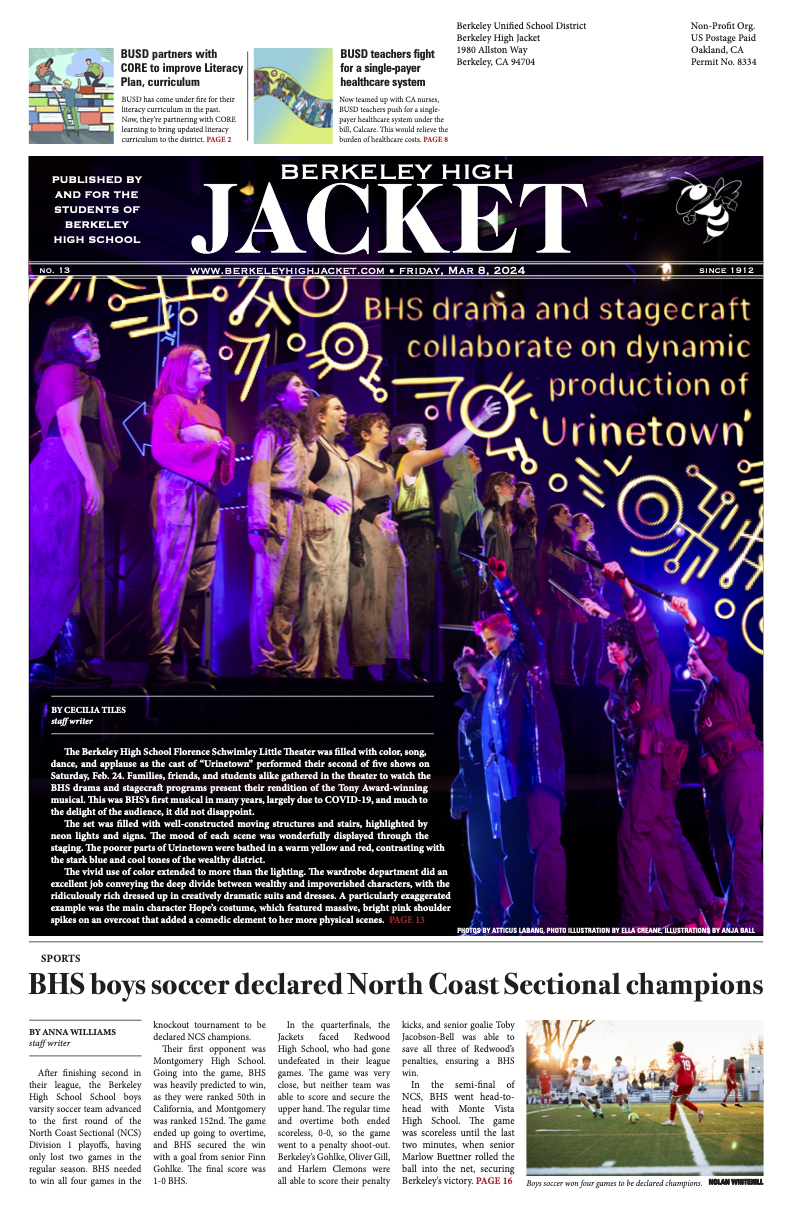
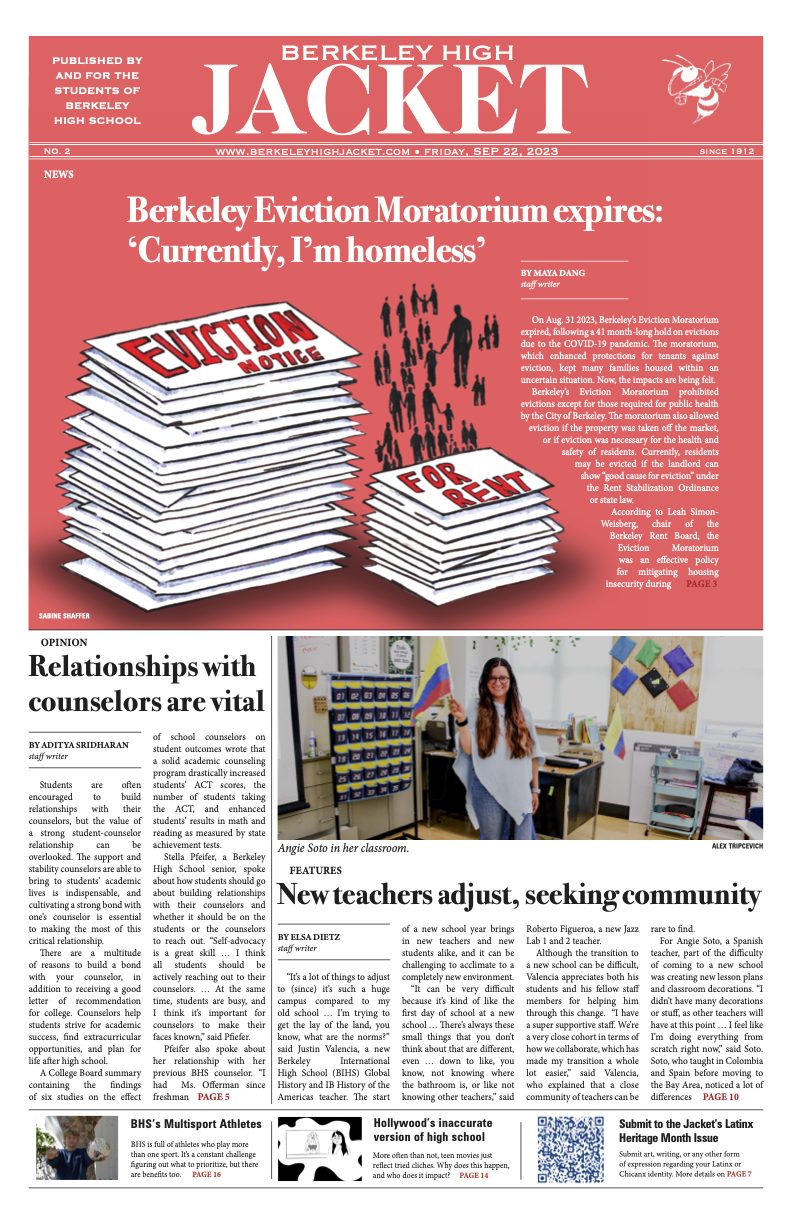
On Jan. 26, 2026, thousands of protestors congregated in San Francisco's Dolores Park to protest actions by Immigration and Customs Enforcement (ICE) in Minneapolis and around the country. Among them were swaths of students, many of them from Berkeley High School. This was just one protest out of hundreds across the nation, and on Feb. 12, 2026 border czar Tom Homan announced that the immigration crackdown in Minnesota that had led to around 3,000 ICE agents being deployed to Minneapolis and the surrounding area would come to an end. However, isolated student walkouts frequently have little to no effect on the issue they attempt to address. While walkouts can be powerful tools, students must understand when they work, when they don’t, and what other tools exist for invoking change.
BHS has a long history of student activism, much of which has resulted in tangible change. Going back to the late 1960s, lobbying and protests by BHS’ Black Student Union (BSU) resulted in the establishment of this country's first and only African American studies department in a public high school. As a result, more Black staff were hired and courses on Black literature and art, among others, were established. More recently, in 2020, thousands of BHS students walked out of class to protest sexual harm at BHS, leading to a genuine increase in visibility for the cause as well as changes in BHS administrative policy, such as the hiring of a Title IX coordinator. Why were these protests effective? One reason is the specificity of the student’s demands. In the former case, the BSU made its demands clear and direct, which led more easily to concrete negotiation and implementation. These walkouts were also meaningful because they targeted issues that both involved the BHS community and were issues over which the Berkeley Unified School District School Board had legitimate authority. Therefore, a large show of student support encourages BUSD to act. A protest addressing an external issue is less likely to result in direct change.
Every year at BHS, there are also protests and walkouts that don't lead to measurable impact. There are several factors at work here, the most obvious being a lack of mass participation. If participation is limited to a small percentage of students or a small group of enthusiastic students, it’s easy for school or local administration to simply ignore a protest. It’s also easier to ignore a protest when it conforms to the BHS schedule; when students stand up and walk out mid-class, it’s a statement. But when students leave to protest during passing period, all anyone notices is a few empty seats.
Because school protests are only effective in certain cases, students must be aware of other ways in which they can become politically involved. For local issues, students can attend BUSD School Board or Berkeley City Council meetings, both of which provide space for public comment. Pay attention to postings about town halls held by your Berkeley district representative or your congressional representatives; these are places where young people can speak face-to-face with the people making the laws that affect them.
Most importantly, students should seek out or create organizations that engage in long-term work, rather than relying on one-off protests. Well-established local groups allow students to build coalitions, develop long-term strategies, and maintain consistent pressure on decision-makers. Real change is rarely the product of a single day of protest. Our generation must be willing to translate our raw energy and enthusiasm into strategic activism, which will produce lasting change.