

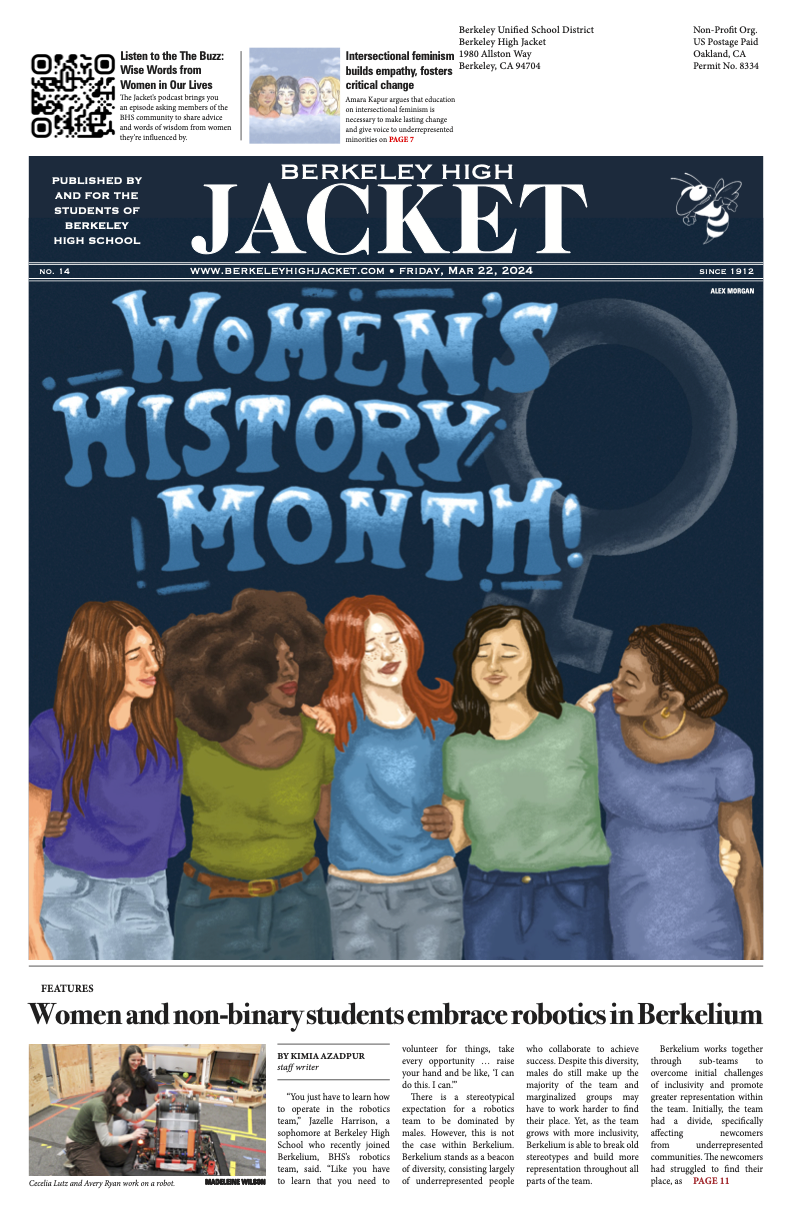
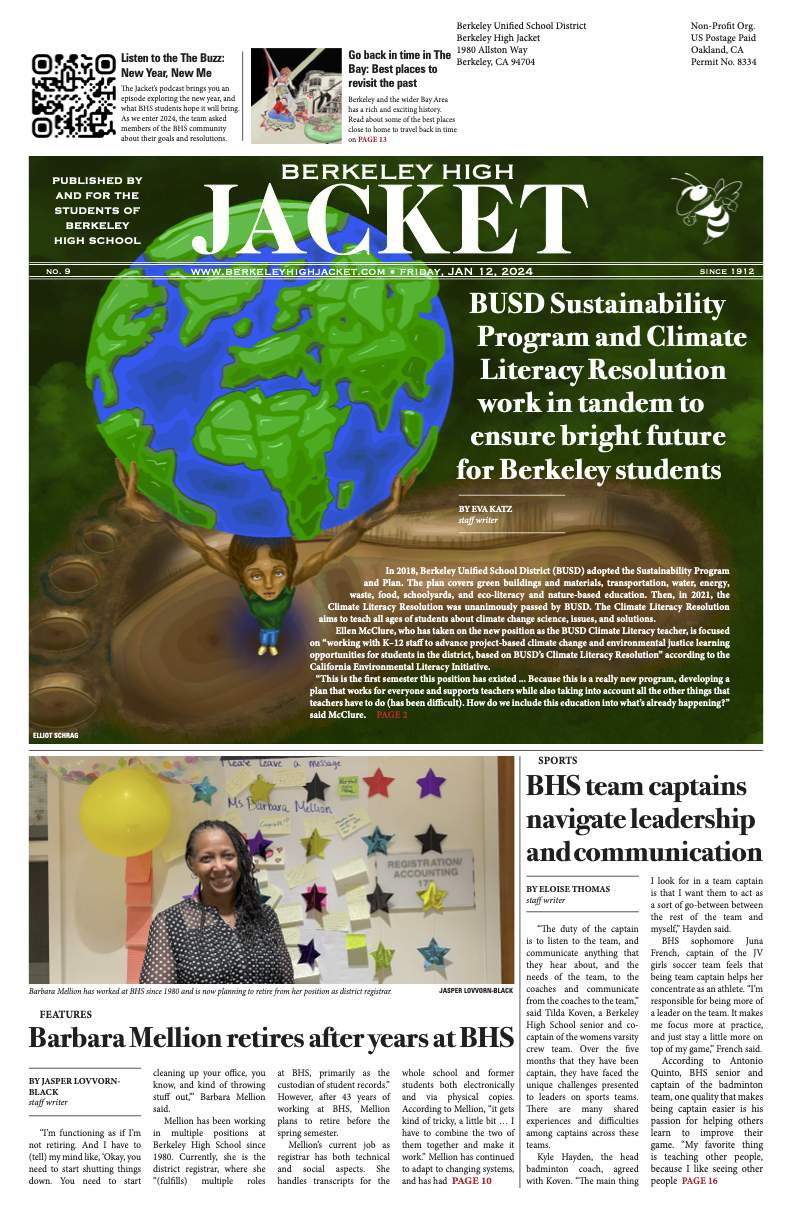
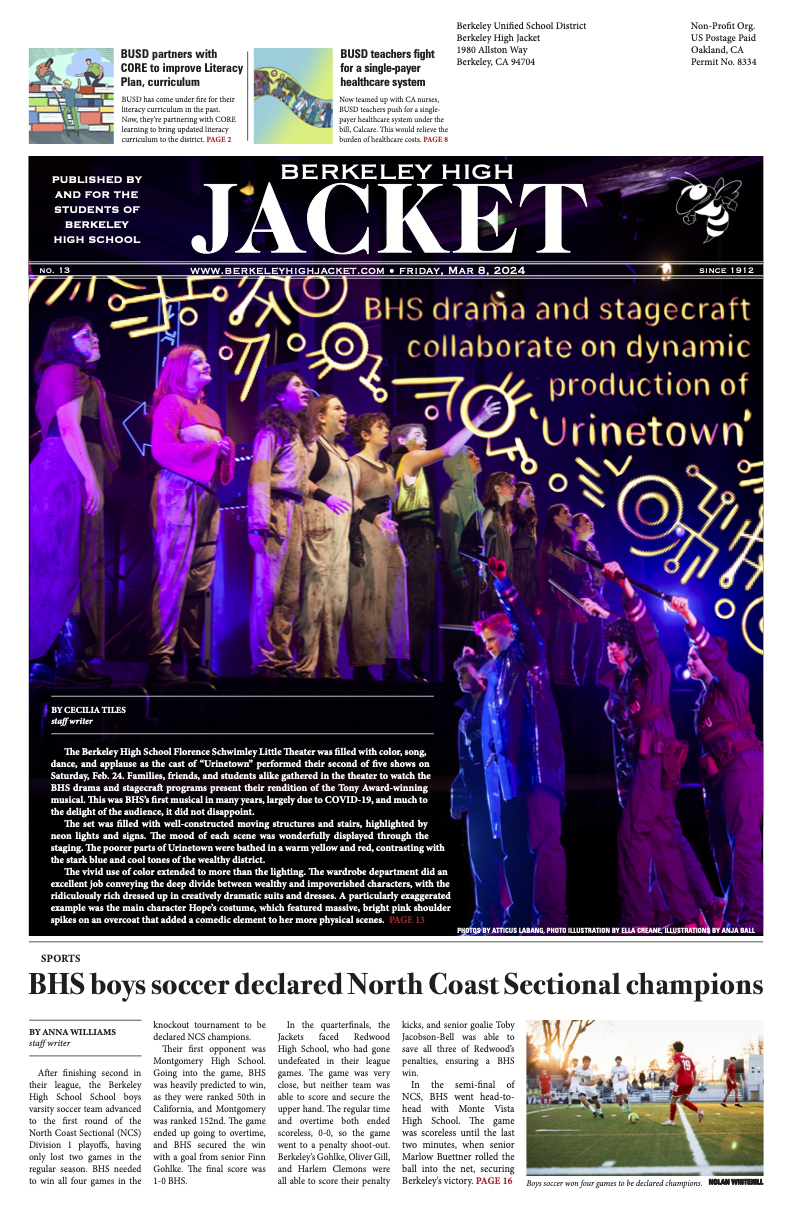
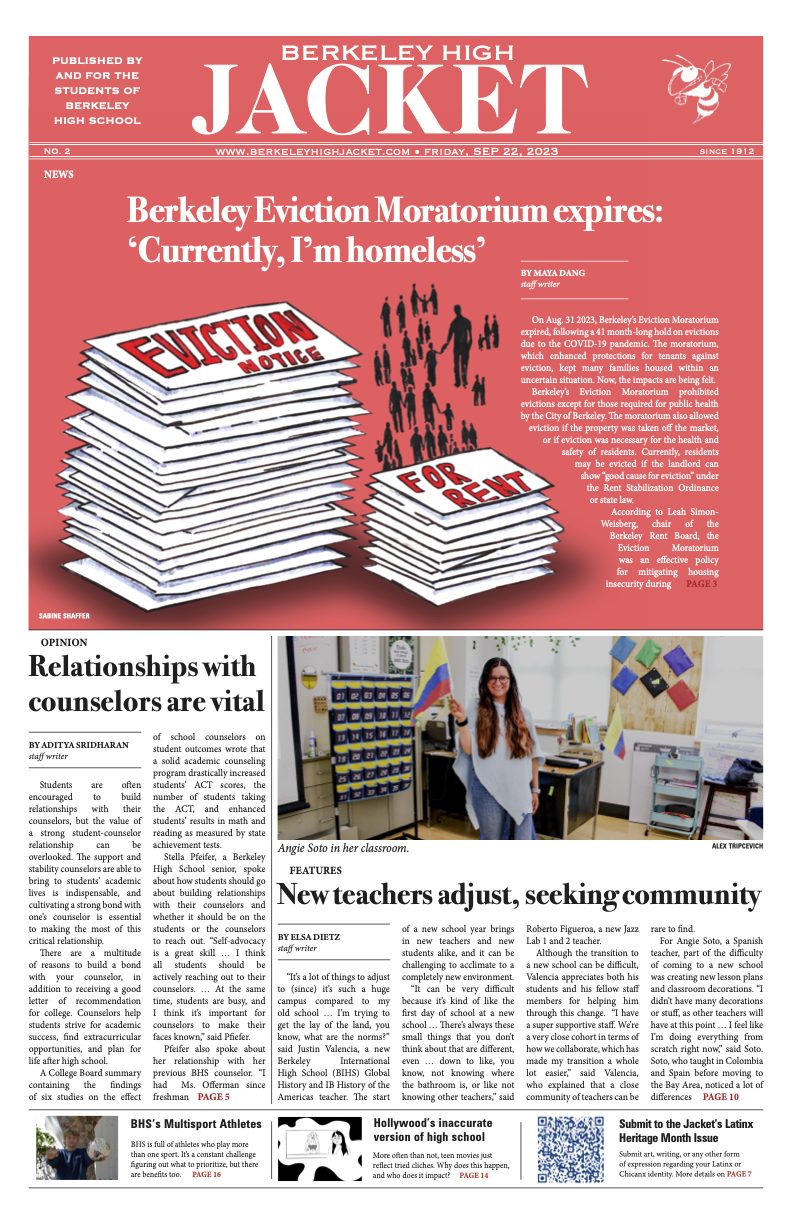

The death of the tween has been a hot topic in recent years. It’s a life stage that was characterized by now-bankrupt stores like Justice and Claire’s, general awkwardness, and pop-culture teen magazines filled with anything from self care to celebrity news to personality quizzes. These magazines had their heyday between the 1990s and 2000s, serving as sources of advice, cultural relevance, and pages that could be ripped out to become posters and room decor. The glossy pages have all but ceased their status in the home, and with that has come reflection and analysis — did the magazines reinforce gender roles and promote consumerism, or were they a safe space for navigating identity? As online influencers continue to replace this role, there’s been an increasing desire to return to physical media and magazines, as well as questions around if things have really changed at all.
“I think teen magazines can be a great safe space for teen girls, but also, similar to social media, people that look at them could develop body image issues. I think they’re also a lot more accessible because it’s physical. So if people don’t have social media, they can still have access to those things, and they might be exposed to things that they don’t want to be exposed to or that might affect them negatively,” Berkeley High School freshman Rina Pass said, “But I feel like there are definitely a lot of pros and cons to it, and some more pros would be that they can be educational, and they can provide teen girls with a lot of important information.”
As soon as teenagers became a legitimate demographic in the 1940s, there were teen magazines marketed towards them and companies ready to jump on this new category of potential consumers. Seventeen, Teen Vogue, Sassy, CosmoGirl, Teen Beat, J-14, Word Up, and YM are among dozens of publications that became household names over the roughly 80 years that teen magazines have been in existence. Seventeen magazine is generally considered to be the pioneer magazine marketed towards teen girls, and was founded all the way back in 1944. With its prominent status in the genre has come analysis and criticism over the years. An emphasis on physical appearances and appealing to the male gaze went hand in hand, and were always central between the beauty, relationship, and dieting tips, and the airbrushed homogeneous models featured on every non-advice page. Many millennials, who were the generation most absorbed in the teen magazine heyday, look back on the medium as having been an unhealthy space, especially for girls and women who are already exposed to these pressures.
While few teens of today continue to consume teen magazines, that doesn’t mean that they don’t still impact people and hold their place in popular culture. BHS junior and co-president of the Women’s Student Union club Eve Eyal’s experience with the medium largely comes from her mom.
“My mom would tell me how she really liked teen magazines, and she had a lot of them around the house, but when she had me and my sister, she was, like, I don’t want them to be exposed to this, so she got rid of them. So, I think she definitely saw it as kind of a negative impact on self image. I personally haven’t read any, maybe thanks to her. So I think that’s what I associate them with,” Eyal said. At the same time, there’s something to be said about physical media and that closer community feeling that a publication can bring. “There’s definitely value in having printed forms of media. They’re often more edited and stuff, so it goes through more processes. It might be more accurate in some ways, if it’s informational. But, I think it can be harmful, maybe just as harmful as social media,” Eyal said.
The medium has changed, but the pressure to conform has persisted through this transition from print magazine to the digital age. “Social media can give teenage girls a certain view of what their body should look like. It’s easy to compare yourself when you’re seeing that so often,” BHS freshman Adell MacGillivray said, “And when that’s the media you’re being exposed to, and it just becomes like, this is the normal, this is what I ‘should look like’ ... That is unhealthy and could lead teenage girls to develop body image issues. A lot of times, in magazines, it’s really easy to edit people’s bodies and stuff and filter them, so it’s not really reality, which is important to know.”
The level of editing in magazines and advertisements isn’t the same as filters on social media; oftentimes, there will be whole teams working to alter photographs, often to better sell a product. There’s also an added layer of legitimacy, where instead of a stranger posting things online, it’s established publications reinforcing these beauty standards and gender roles. Instead of a fifteen second video, it’s a physical piece of media that’s out in the real world, at grocery store checkouts, hair salons, waiting rooms. However, the sheer volume of content that comes from social media, and the algorithms which actively work to funnel users into these circles of content is what’s allowed for looksmaxxing and online pro-eating disorder communities to thrive.
To praise teen magazines, it was media made specifically for the youth, something we don’t see much today. The lack of safe or designated spaces for adolescents and young teens has only ramped up the desire for adulthood, but it is important to embrace adolescence. As social media has proved to be an imperfect replacement for this role, it makes sense for people to hold nostalgia for glittery teen magazines seen featured in iconic movies.