

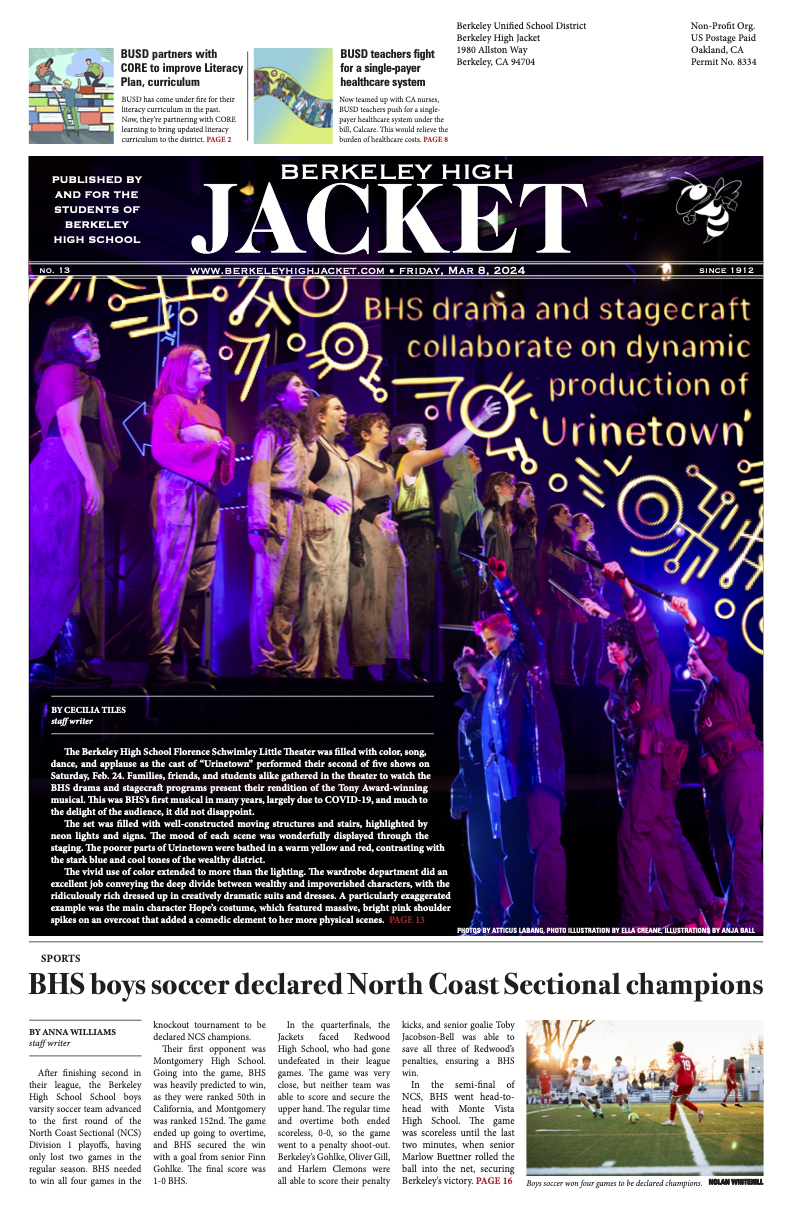

Spanning a whole city block in San Francisco’s Civic Center area, 220 Larkin Street is home to the Asian Art Museum. It is full of both contemporary and ancient art from a wide range of cultures, including a variety of mediums and techniques. They also offer a variety of events such as “Mahjong and Mocktails,” film screenings, and various talks. The top two stories of the building are packed with traditional art from different Asian countries, while the first floor houses rotate special exhibitions, a cafe, gift shop, and other public spaces. According to volunteer docent Mark Gross, “It’s important for the museum to also have modern exhibits, … as well as the historical pieces that are in the permanent collection.”

The section dedicated to Japanese art contains artifacts such as an ancient tea set and clay sculptures. There is also a model of a traditional tatami-style Japanese house, a set of armor and swords, a bamboo basket collection, and paintings depicting “noh theater” on display. The Chinese artwork at the museum includes ceramics, textiles, and a sizable jade collection. Similar to the Japanese art exhibits, there are ink paintings and calligraphy work on display. Notably, a multi-panel painting of a mountainous village landscape spanning six hanging scrolls occupies the interior walls.
The Southeast Asian art on display is more colorful. Most of the walls are painted a deep red, which compliments the gold artwork that makes up much of the exhibition. Many of the pieces date all the way back to 100 B.C.E. There are a multitude of statues featured, many of them nude stone figures adorned with jewelry. One memorable piece is “an elephant throne,” which would be traditionally placed on an elephant’s back for Indian rulers to ride on.
Throughout all of the permanent exhibits in the museum, Buddhism is a significant theme. There are paintings and statues of Buddha in nearly every exhibit, reflecting the prominence of the religion in Asia. The Asian Art Museum is also home to the oldest known Buddha sculpture made in China, dated 338 C.E.
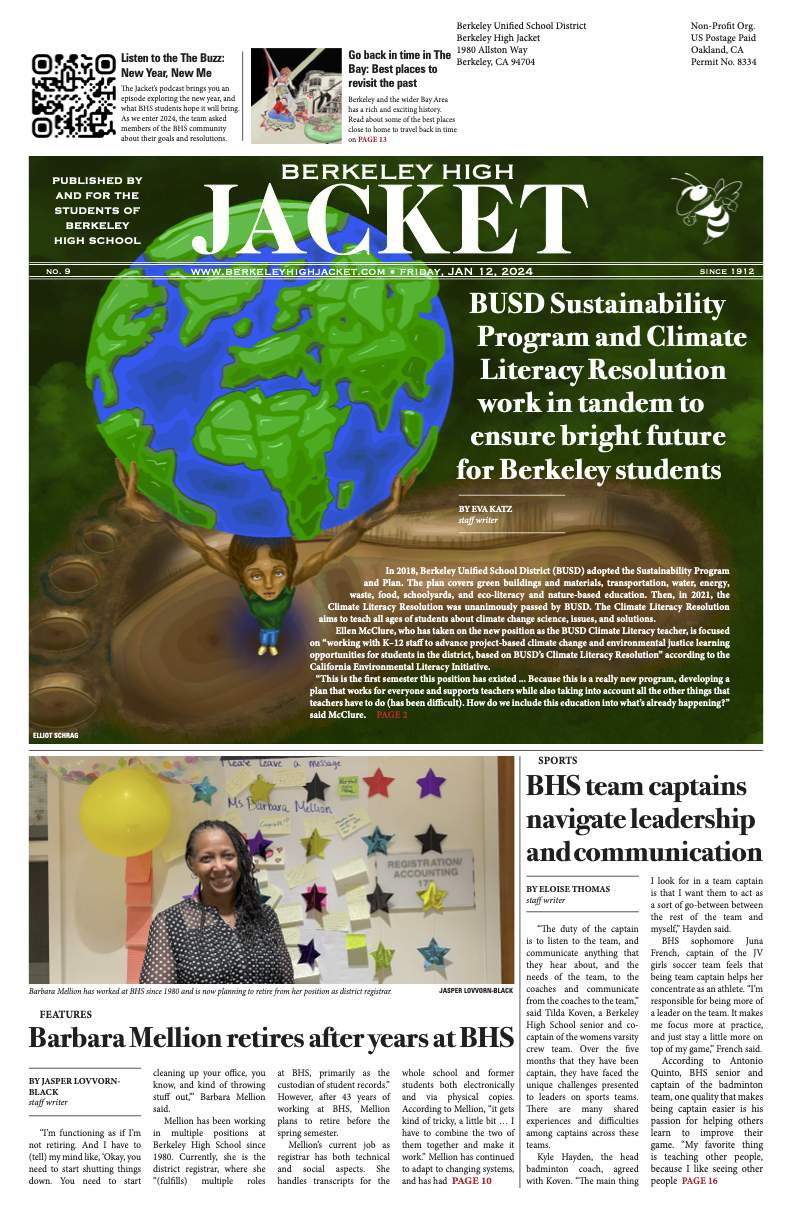
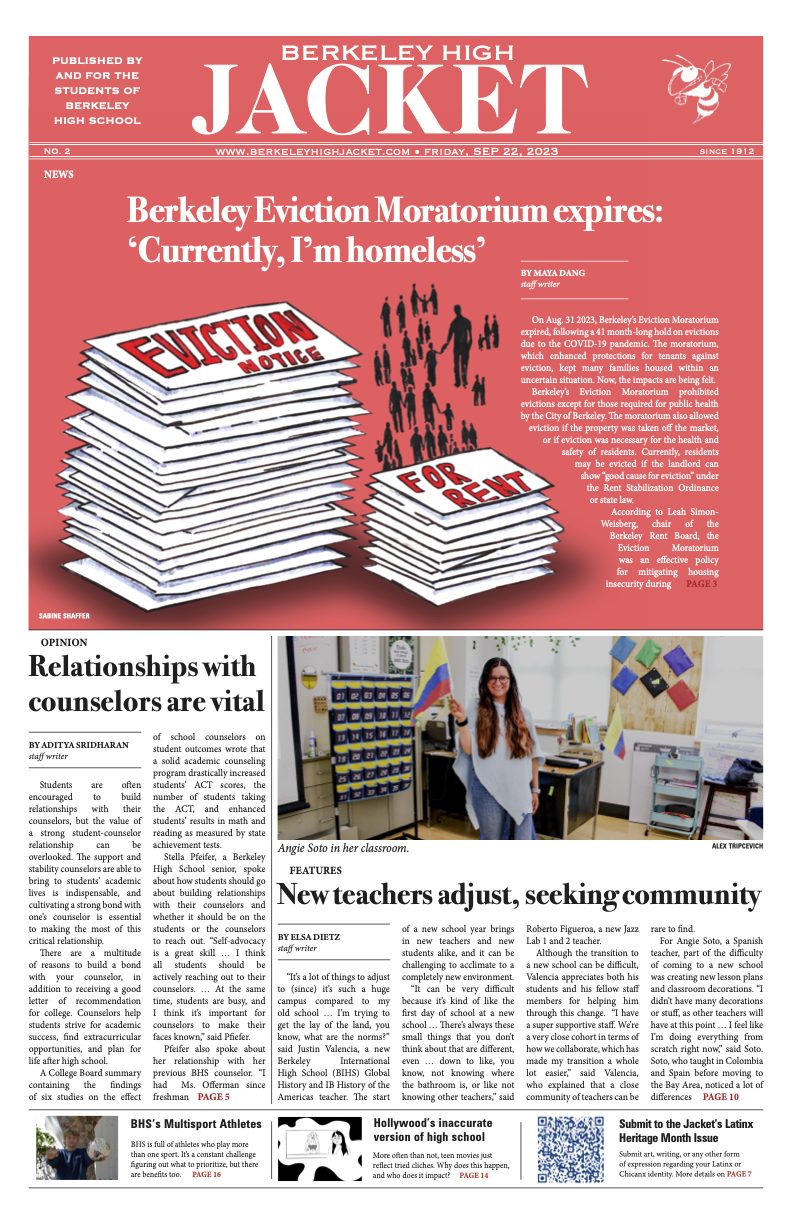
For Berkeley High School senior Miya Smith-Richards, the museum allowed her to connect with her grandmother’s Japanese and Buddhist culture. “I think it was really meaningful because my grandma herself is very sheltered and she doesn’t like to really share with me a lot of things, and when she does get comfortable I get a small piece of it. But seeing, kind of, more towards her background in a museum was interesting, and I could kind of connect to what she has told me about her life,” she said. Smith-Richards went to the museum with BHS teacher Diane Kung’s AAPI Literature class. Smith-Richards spoke on the experience, and how it was a chance for her to really see the history that she had been learning in school.
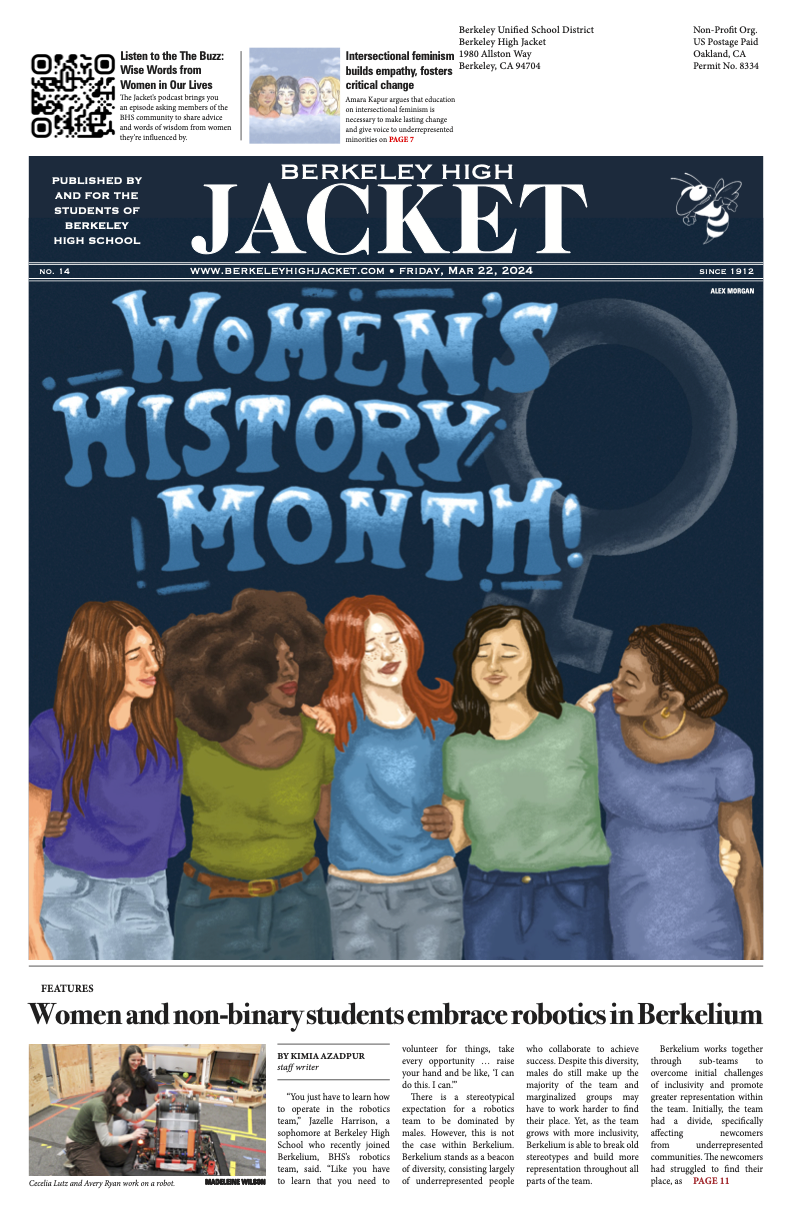
Currently, the special exhibition is Chiharu Shiota’s “Two Home Countries.” Shiota, a Japanese artist, creates installations made up of red string which form shapes. The largest piece in the exhibit is titled “Diary.” It is a large room covered in webs of red string, which you can walk through. Woven into the red string are pages from the diaries of Japanese soldiers and civilians in postwar Germany. This explores the theme of a bicultural identity and belonging to two places — in Shiota’s case, Japan and Berlin.

General admission is $14 for students and $20 for adults. The special exhibition — on display until June 10, 2026 — is an extra $10. The Asian Art Museum is an inspirational and educational place to spend a weekend day while also learning about art, culture, and customs from countries throughout Asia.