


When a toaster stops working, most Americans throw it away without consideration. When a phone screen cracks, a new one is purchased. When a jacket loses a button, it goes to Goodwill — or worse, the landfill. Not only is this behavior normalized within society, but it has historically been enforced by law. Until changes in legislature, this disposable mindset has been the default, embedded into consumer culture and everyday life.
However, in Berkeley, students are learning a different, more sustainable approach. At Fix-It Fests held biannually at middle schools across the city, sixth graders learn to sew, repair broken electronics, and 3D-print replacement parts. Berkelium, Berkeley High School's robotics team, uses industrial-grade tools to repair toasters and kitchen appliances. This isn't just a feel-good sustainability project — it's the cutting edge of a movement to reclaim something Americans lost in 1998: the legal right to repair what they own.
“I hope that it's an empowering event, first and foremost, that folks feel like if something breaks, they either know how to fix it or just that they know that they could attempt to fix something,” Ellen McClure, a teacher on Special Assignment for Climate Literacy in Berkeley Unified School District, said. McClure is one of the organizers behind Berkeley's Fix-It Fests, community repair events that bring together students, parents, and volunteers to save broken items from going in the trash.
Transition Berkeley promoted this message at a repair cafe in February 2019 at Berkeley Adult School, where volunteers facilitated over 60 repairs with a 80 percent success rate, keeping 202.3 pounds out of the landfill in a single afternoon.
According to Peter Mui, founder of the non-profit Fixit Clinic, Berkeley's involvement in repair is directly correlated with growing awareness about the environmental effects of e-waste. Organizations like Nimble Repair, Transition Berkeley, and the Culture of Repair are working to increase repair by improving repair education and connecting consumers with specialists.
The Beginning
The repair movement began when a law titled Digital Millennium Copyright Act (DMCA), was signed by President Bill Clinton and passed unanimously in the Senate in 1998. Designed to protect copyrighted works in the digital age, Section 1201 of the DMCA prohibited bypassing technology that controls access to copyrighted materials — including the software embedded in almost all modern devices. Repairing often requires accessing that software, meaning repair itself becomes impossible.
Farmers couldn't repair their own tractors. Mechanics couldn't diagnose modern cars without manufacturer approval. Simply replacing a broken screen on your phone had the potential to violate federal law if it required circumventing software protections. Fair use — the legal doctrine mandating limited use of copyrighted material — offered no defense. It didn't matter if someone needed to circumvent protections to make legitimate fixes of a device they owned, new laws restricted their ability to legally do so.
A Sweet Victory
The turning point for America’s repair movement wasn’t a landmark court case or stirring speech. It was a McDonald's ice cream machine.
For years, the constantly broken McFlurry machines have been joked about across social media platforms, but beneath the memes laid a serious legal issue. All McDonald's ice cream machines were supplied by the Taylor Company, and they had weaponized copyright law to create a repair monopoly. Due to DMCA restrictions, Taylor's control over the machine systems made it illegal for McDonald’s franchises to repair the equipment themselves or hire third-party technicians. When machines broke down — which happened frequently — franchises had no choice but to wait for Taylor's repair services, often losing days of ice cream sales.
A 2022 lawsuit shattered that monopoly, forcing the Copyright Office to allow third-party ice cream machine repairs. Broken dessert dispensers exposed the law that had quietly reshaped American consumer culture for nearly 25 years.
A Bipartisan Movement
What the DMCA created wasn’t just an environmental crisis or consumer rights issue — it was something that transcended America’s political division. When the right to repair legislation came up in Texas, it passed with 100 percent support in both the Senate and the House across Democratic and Republican parties. "People see each other's humanity in such an interesting way," Vita Wells said, the founder of Culture of Repair, a Berkeley-based repair organization, "It's so cool that not only is this helping the environment, but it's also helping bridge that divide."
Progressive environmentalists concerned about e-waste standing alongside libertarian-minded farmers who simply believe they should control what they own came together, forming a bipartisan coalition. However, building that coalition took decades of incremental fights. In 2012, Massachusetts voters passed legislation requiring automakers to provide access to diagnostic tools that had previously been restricted to franchised dealerships. It was a narrow victory, as it only covered automobiles, but it proved that manufacturers' repair monopolies could be challenged.
In 2014, Congress passed legislation that allowed phone owners to undo the restrictions on their phones confining them to specific networks. This law allowed them to choose different carriers, meaning consumers could modify the software restrictions to best fit their personal interests. The Library of Congress later expanded these exemptions to include tablets and smart TVs, but each required separate legal battles and temporary exemptions that expired every three years.
By 2022, New York passed the Digital Fair Repair Act, which required electronics companies to provide consumers with repair instructions, tools, and parts. California followed in 2023, with its law taking effect July 1, 2024, requiring manufacturers to make instructions and parts accessible for products bought in the previous three to seven years depending on product price.
Six states have now passed “right to repair” laws, each with over 70 percent public approval.
State vs. Federal Laws
Despite broad public support, the movement faces some daunting opposition, namely from large corporations. According to NBC, companies like Apple and General Motors have over ten trillion dollars in combined value, which enables massive lobbying efforts. Manufacturers employ strategies like setting high repair prices and using specific hardware. For example, Apple has specialized pentalobe screws in their products that require specialized screwdrivers, allowing them to control the price for the repair of their products. However, other companies like Motorola and Microsoft have started working with repair advocates.
In March 2024, the Federal Trade Commission (FTC) and Department of Justice submitted a joint comment advocating for expanded repair exemptions, putting forward their point that software locks "can be used to prevent non-infringing third-party repair and eliminate competition." The FTC has historically opposed repair restrictions for decades, such as when they secured settlements in 2022 making it easier to repair various consumer products.
However, state-level laws operate independently from federal DMCA exemptions. While DMCA exemptions address whether circumventing protections should be legal, state laws require manufacturers to provide tools and documentation directly to consumers, making circumvention unnecessary. This two-track approach is gradually restoring Americans' ability to repair what they own.
The movement's path moving forward remains uncertain, but its bipartisan support at the state level suggests local or community-driven efforts could be the key to success. What is certain is that the conversation has fundamentally shifted.
A decade ago, most Americans didn't know they'd lost the right to repair. Now they’re taking it back — one broken ice cream machine at a time.
Teaching Not Tossing
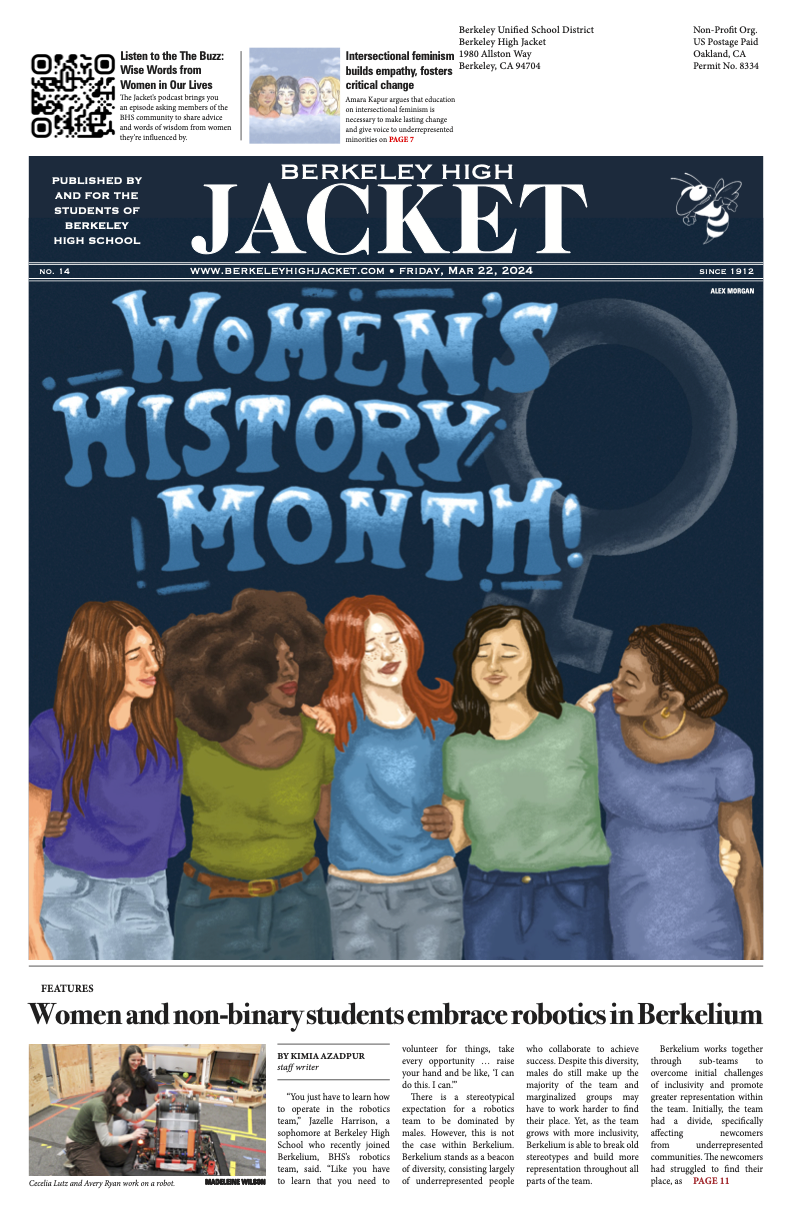
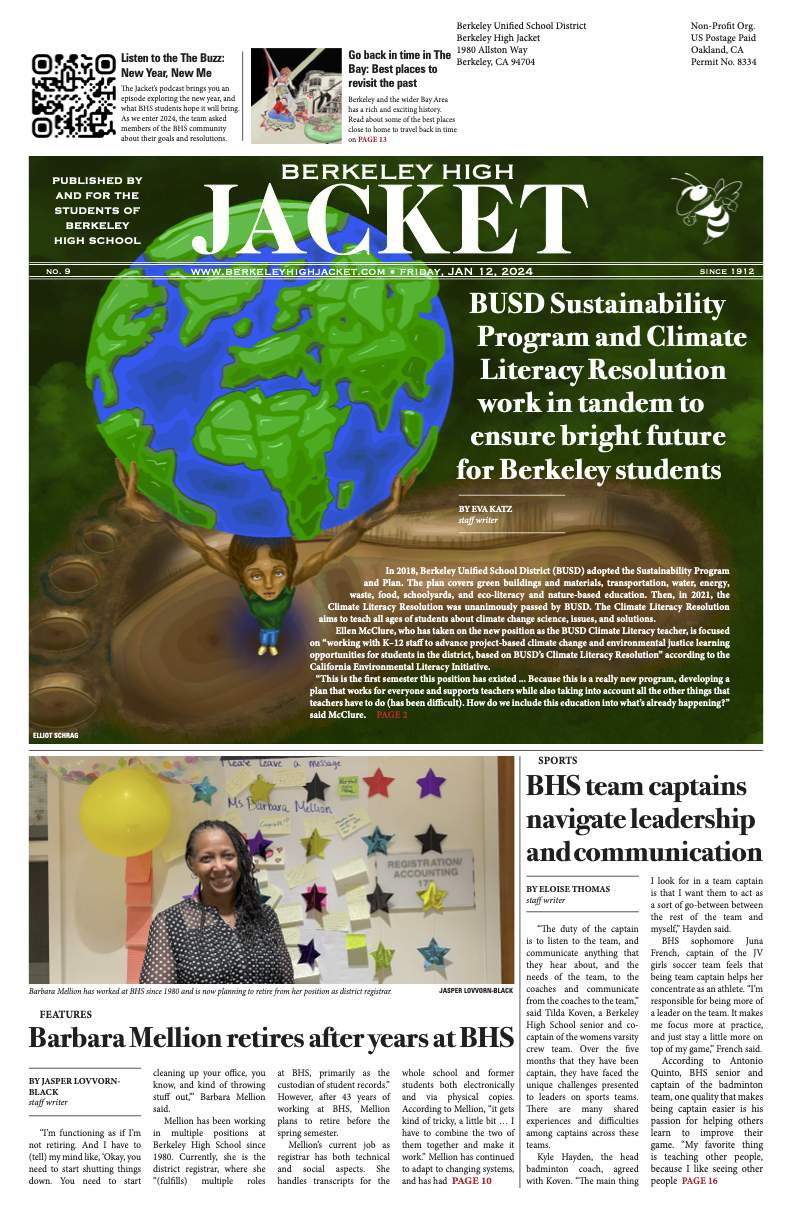
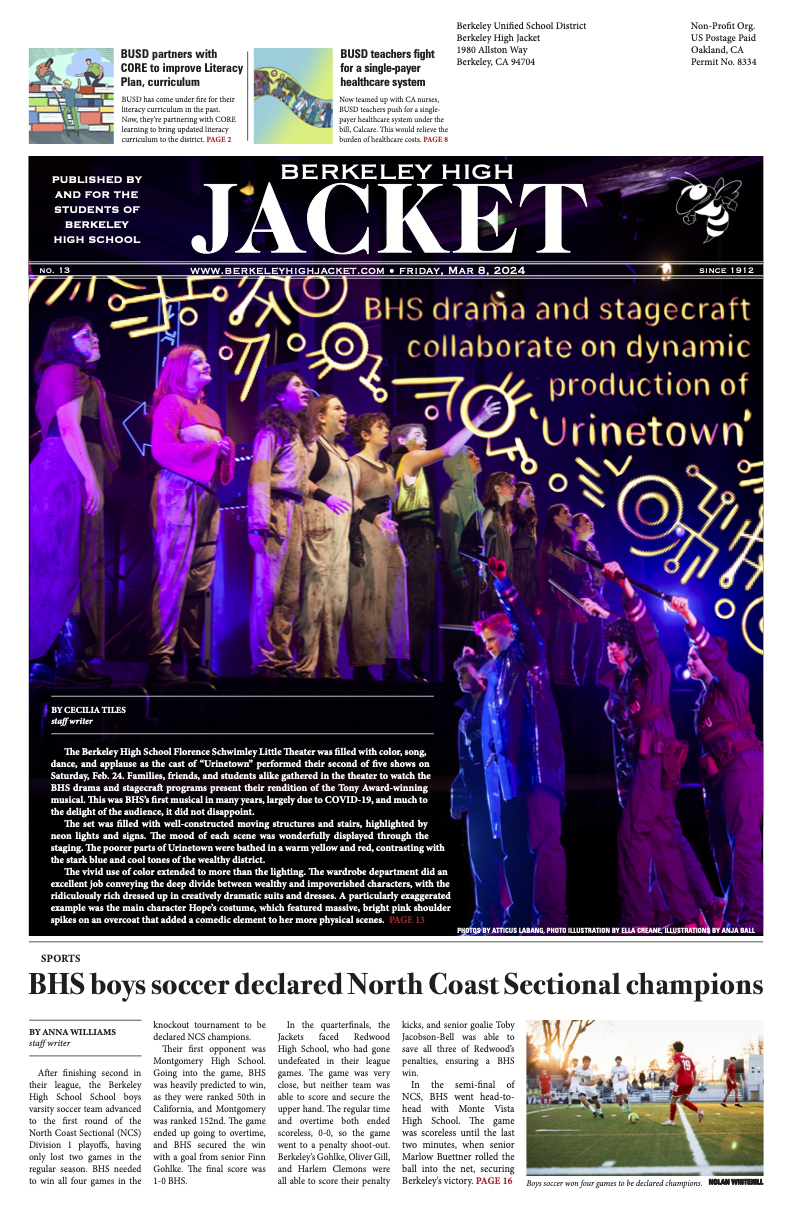
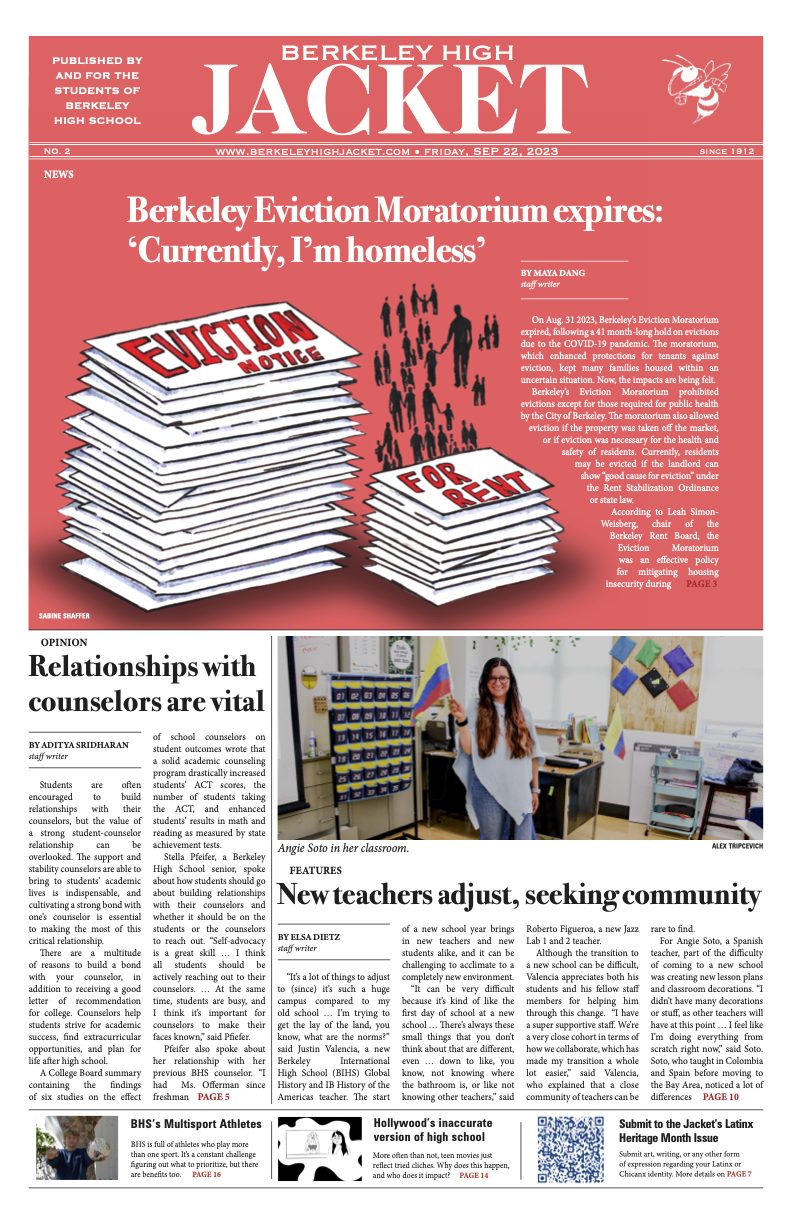
While the legal battle over repair plays out in courtrooms and state legislatures, Berkeley has taken a more direct approach: teaching an entire generation how to fix things.
Linda Currie, a co-founder of Transition Berkeley, emphasizes that repair is as much about mindset as mechanics. "The first step in repair is thinking about trying to fix it or that it's possible to be fixed," she explained. Transition Berkeley has been running repair cafes since 2011, hosting public events where volunteers help community members fix broken items, ranging from electronics to furniture to clothes that need a hole patched up.
Wells has spent seven years gathering resources from around the world to support educators teaching repair. "My focal point is to support moving teaching about repair into K-12 education settings," Wells explained. She looks to strong programs in the UK and Germany to help create lesson plans, activity sheets, and videos that make repair education accessible.
Wells believes repair education is uniquely suited to classroom learning. "When you have to repair stuff, it has all these pedagogical (teaching) possibilities. It's not just like, ‘Reuse.’ We know what reuse is. But repair involves understanding it, looking at all the functions, understanding the materials, really problem solving," Wells said. That problem solving dimension makes repair perfect for STEM education. Wells noted that Berkeley is at the forefront of this integration.
BUSD has woven repair into its climate literacy curriculum. In makerspace classes across all Berkeley's middle schools, teachers dedicate an entire week to fostering a repair mindset through learning repair skills. “We have folks from the district tech department come into the makerspace class and teach students how to repair Chromebooks," McClure explained, "Students can actually look at what is inside of a Chromebook, what are some common ways that they might break, and how to fix them."
BUSD has also launched a "Chromebook rescue project," converting older district devices that can no longer run district software into fully functional laptops to distribute to the community for free. "We're taking Chromebooks that otherwise would have aged out and would leave the district, and we're converting them and then redistributing them," McClure said, "along the way, we're teaching about e-waste and how you can reuse things that otherwise would be discarded."
Repair Organizations
Berkeley's repair efforts go beyond just schools. Nimble, founded by Kimberley Schroder while she was a student in the California College of the Arts Design Strategy MBA program, connects people who lack time or ability to repair items with local repair artists. According to Schroder, they’re trying to make repair as easy and accessible as possible. The service picks up broken items and delivers them to specialists, with the goal being to help people who can't attend in-person repair cafes.
Transition Berkeley continues to expand its reach. Wells noted that before COVID-19, they had "a steady stream of fix-it clinics in the libraries." While the pandemic disrupted that momentum, community support remained strong. "There's nobody that I've ever talked to that has said, 'I don't like that idea,'" Currie said, "Instead, what they say is, 'When is the next one?'"
Potential Downsides
However, not everyone in Berkeley views Right to Repair legislation as a straightforward process. Research from UC Berkeley Haas by Assistant Professor Luyi Yang highlights potential unintended consequences of the movement. Yang's economic model suggests a possible "lose-lose-lose" scenario where manufacturers lose profit, consumer surplus decreases, and environmental impacts worsen.
Yang argues that manufacturers might respond to repair laws in ways that undermine environmental goals. For low-end products, some manufacturers could flood the market with inexpensively produced products to disincentivize consumer repair. This would increase waste as durability of products would decline alongside the decline of products quality, worsening the environmental impacts. For higher end products, manufacturers would likely raise prices, as lowering prices is not sustainable given the high initial costs. This price increase would make products less affordable, leading to a higher demand for older and less efficient products, which is detrimental to the environment.
Despite these concerns, Yang is not against Right to Repair laws; he believes that legislators need to examine specific product categories, instead of making sweeping laws.
Wells believes Berkeley has potential to become a model for other cities across the United States. "Having this repair unit in the STEM class for a whole week is pretty cutting edge for the United States," she said. "BUSD making room in the school day for this material is huge."
Berkeley Fix-It Fest
At Fix-It Fests, the energy is palpable. When a repair succeeds, item owners and repair coaches ring bells and take pictures with the repaired item. Community members realize that the broken items they had almost thrown away can live another day, or many more. The culture of disposal is being replaced, one repair at a time, by a culture that values restoring, reusing, and reinforcing social unity.
"There's some alchemy that happens there that is transformative for how we view ourselves in society," Wells said, "and especially because this is a very physical in-person experience. There's nothing like face-to-face involvement in a service capacity. That really binds together our communities in a way that nothing else touches."