


The infantilization of Asian women is a recurring issue on social media and in films exhibiting aspects of racist and sexist practices. East and Southeast Asian women are treated or depicted as childlike and naive, often in submissive and inappropriate manners through their dress, voices, makeup, and demeanor. This stereotype casts Asian women as weak and undermines any professionalism they strive for; it takes away from their accomplishments and goals. This pattern shapes how Asian women are perceived and treated in everyday life. Because of this, we must become more aware of how the media we consume portrays Asian women, and realize how the blatant sexualization and infantilization of a minority leads to hate crimes and the diminishing of Asian women all over the world.
Asian women’s infantilization stemmed from orientalism, a system in which Eastern Asia was imagined by the West as exotic and backwards. Asian women were not seen as individuals, but more as an image of an idealized East Asia: delicate, youthful, and submissive.
Later on, European colonial powers and the United States used these stereotypes and ideas to justify total domination by presenting Asian powers as weak and in need of Western control. According to Everyday Feminism, women’s bodies, central to the West’s fantasy of what Asia was like, were often described as “small and doll-like,” and all of their qualities were associated with those of children, rather than adults.
Literature, journalism, and later films repeated these images, turning Asian women into decorative objects, rather than actual and complex people.
An example of infantilization beginning in earlier media days is a film called “Madame Butterfly.” First performed May 28, 1904, it follows a 15-year-old girl named Cio-Cio-San. The production presented Cio-Cio-San as a submissive, passive, childlike, and exotic figure who sacrifices herself for a Western man.
Earlier events of infantilization of Asian women stemming from the United States can be dated back a few centuries. According to Geo.org, the United States Congress passed the Page Act of 1875, the nation’s first law restricting immigration, which prohibited the entry of Chinese women because they were seen as prostitutes. At this time, Asian women were seen as sexually deviant in the eyes of U.S. law and culture.
Currently, the infantilization of Asian women in the media is especially prevalent in the legal system. On March 16, 2021, a man by the name of Robert Aaron Long shot and killed eight people, six of whom were Asian women.
In court, he pleaded his case of the shooting being an attempt to subdue his temptations because of his attraction to the women. The government later abstained from calling this shooting racial or gendered.
The modern term “Kawaii” can also be used to explain this issue in a more up-to-date context. Kawaii is a power dynamic, and according to Asian Media International, it is described as “childlike behavior to obtain care that might include whining, behaving in a spoiled manner, or taking liberties with others.”
Wanting to act childlike for the appeal of others continues to build upon the cultural holdback when it comes to Asian women being taken seriously in society.
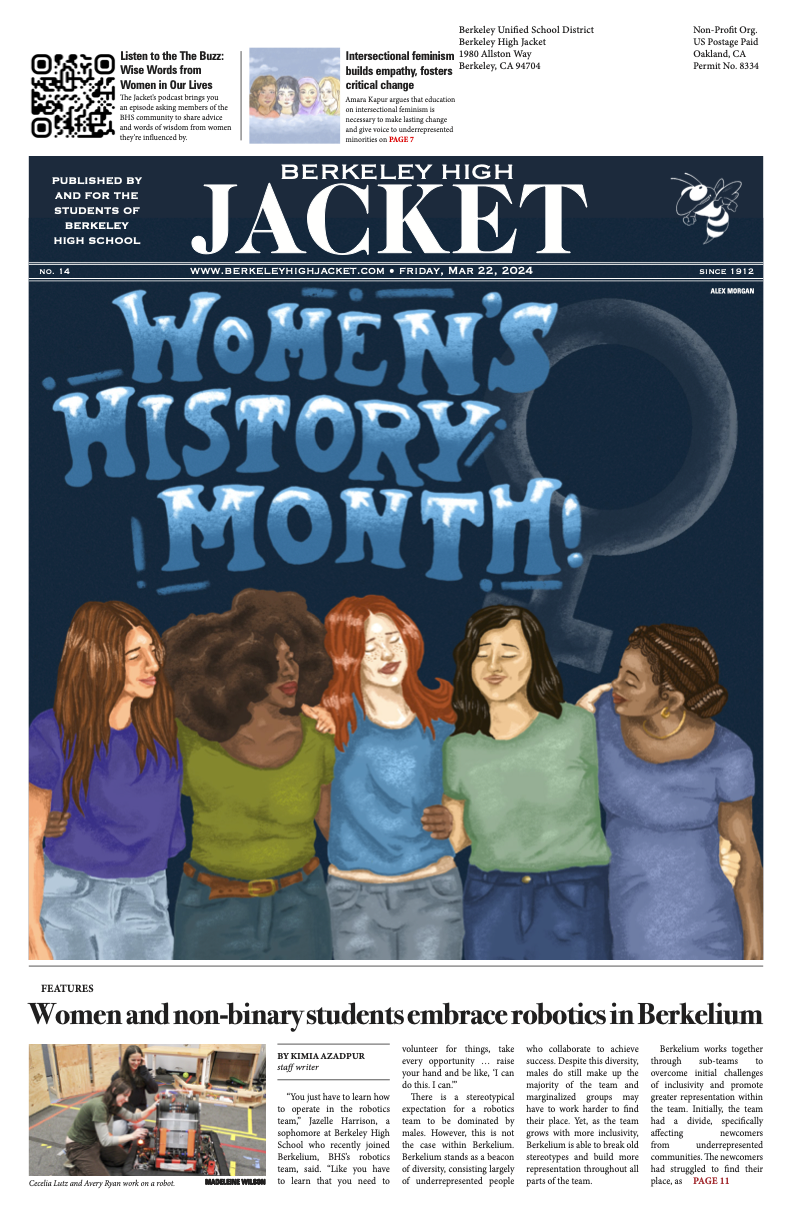
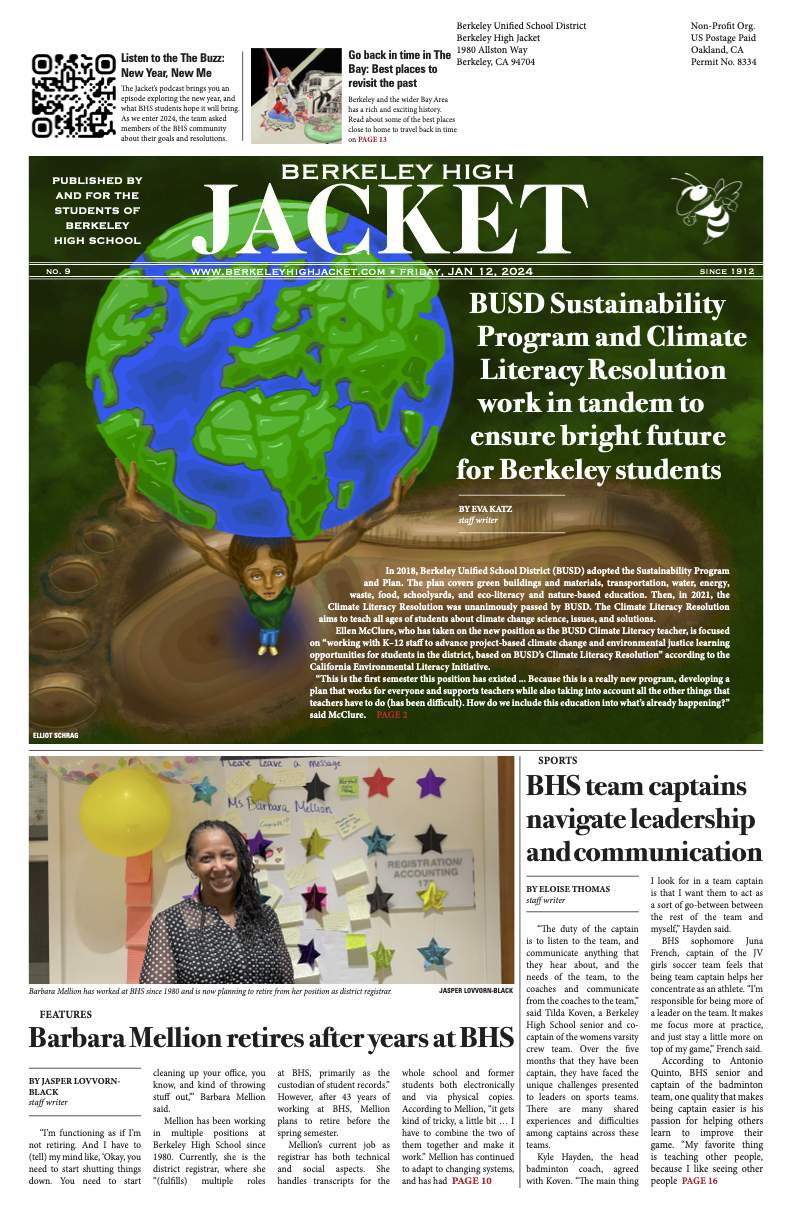
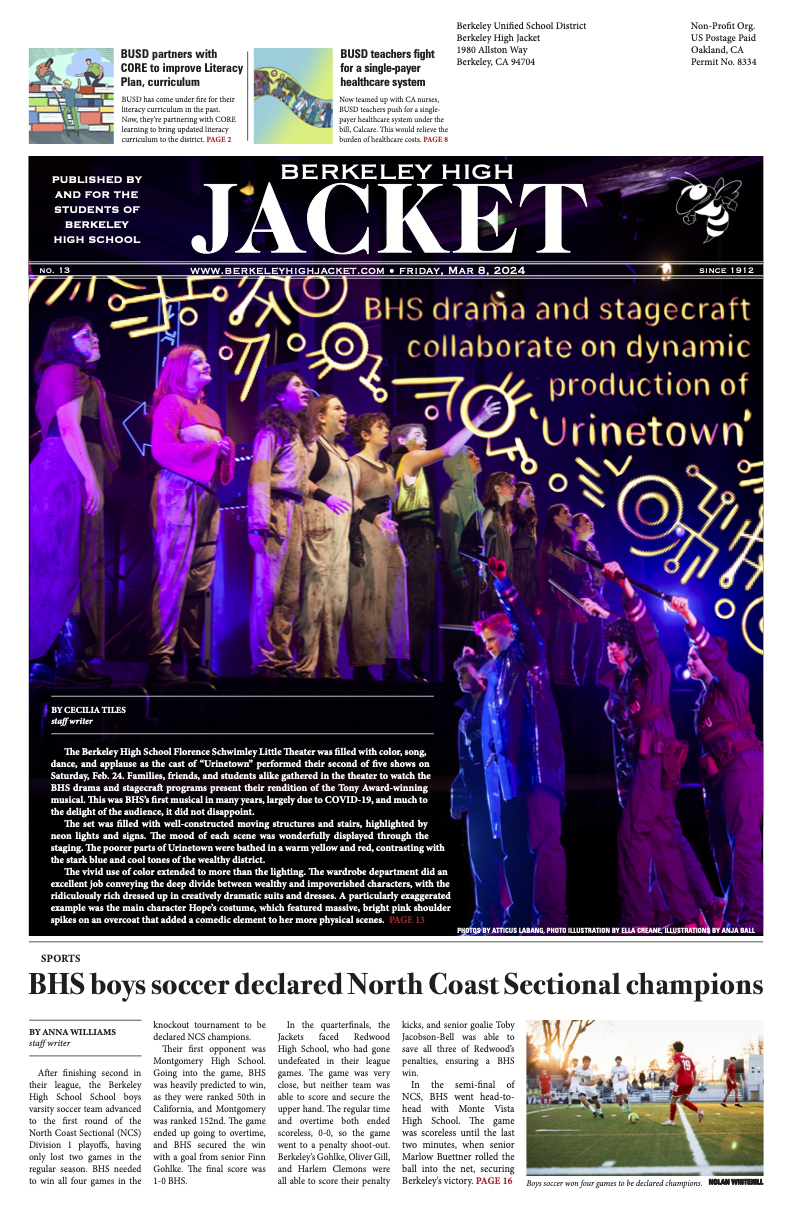
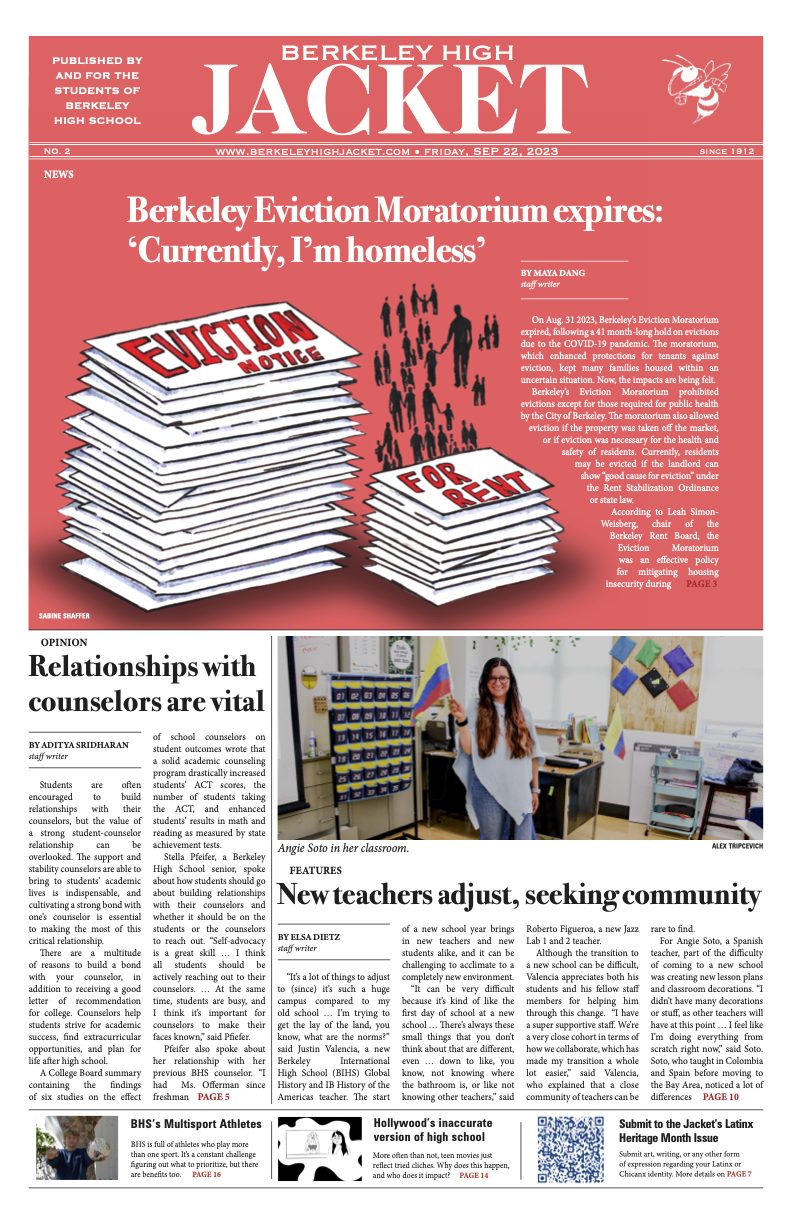
Asian women’s infantilization is one of the many issues in our world that stemmed from stereotypes long ago. It is important to understand that these stereotypes are a direct reflection of the misconceptions in history, not of people.
By growing aware and critical of how the media and our society portray Asian women, we can stand up and call people out for their blatant misrepresentations. It is vital that we discard harmful stereotypes that actively are setting us back centuries, both socially and culturally, today.