


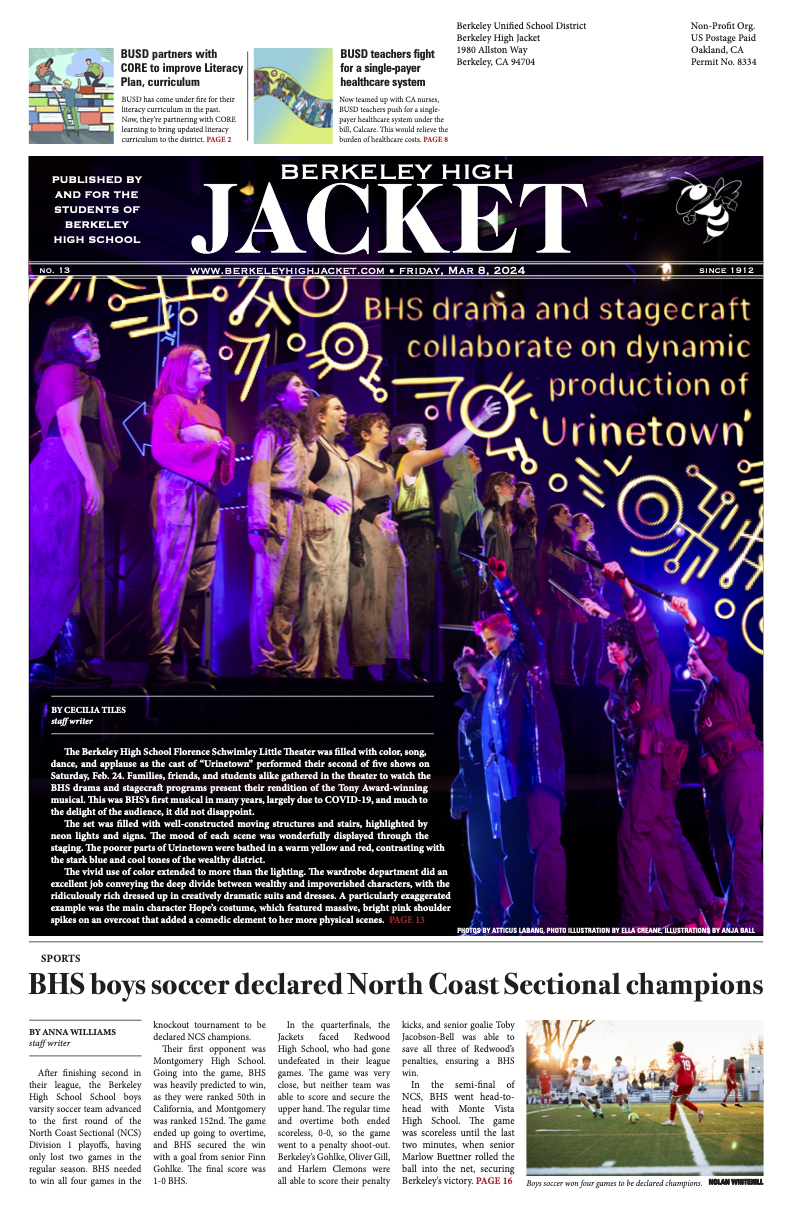
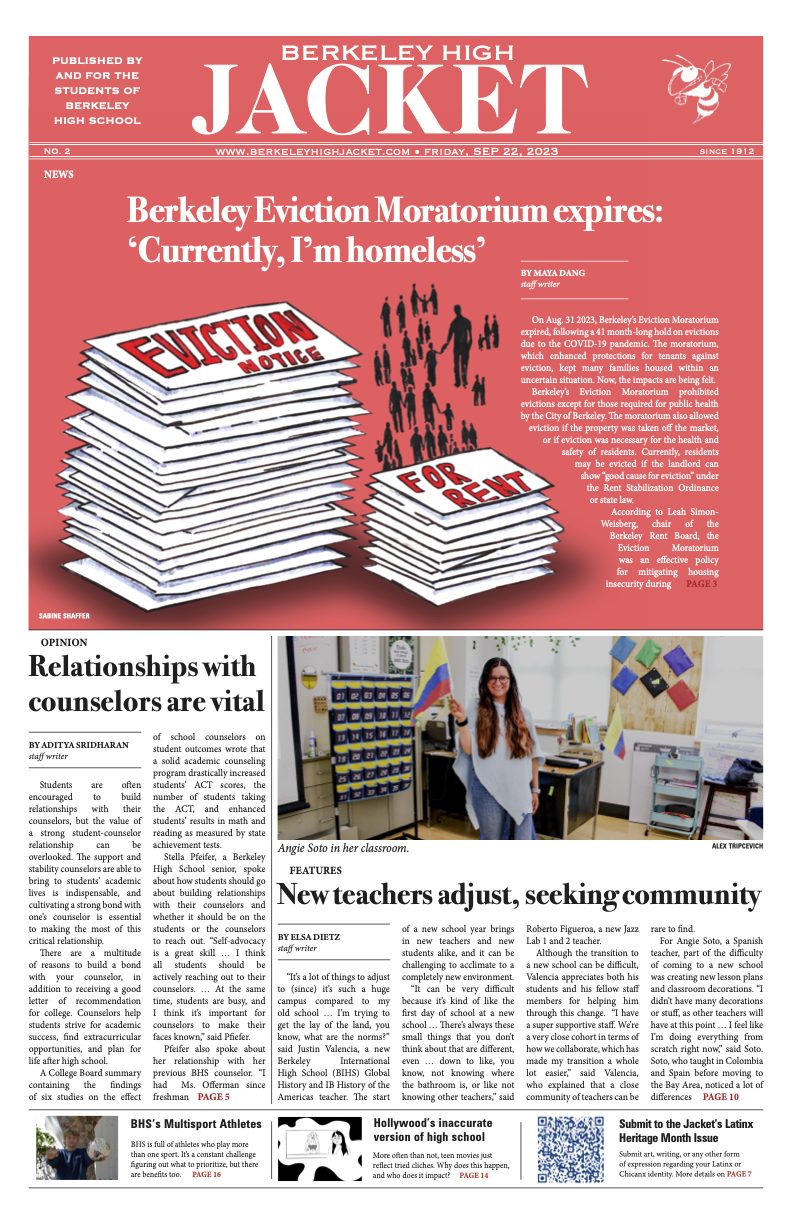
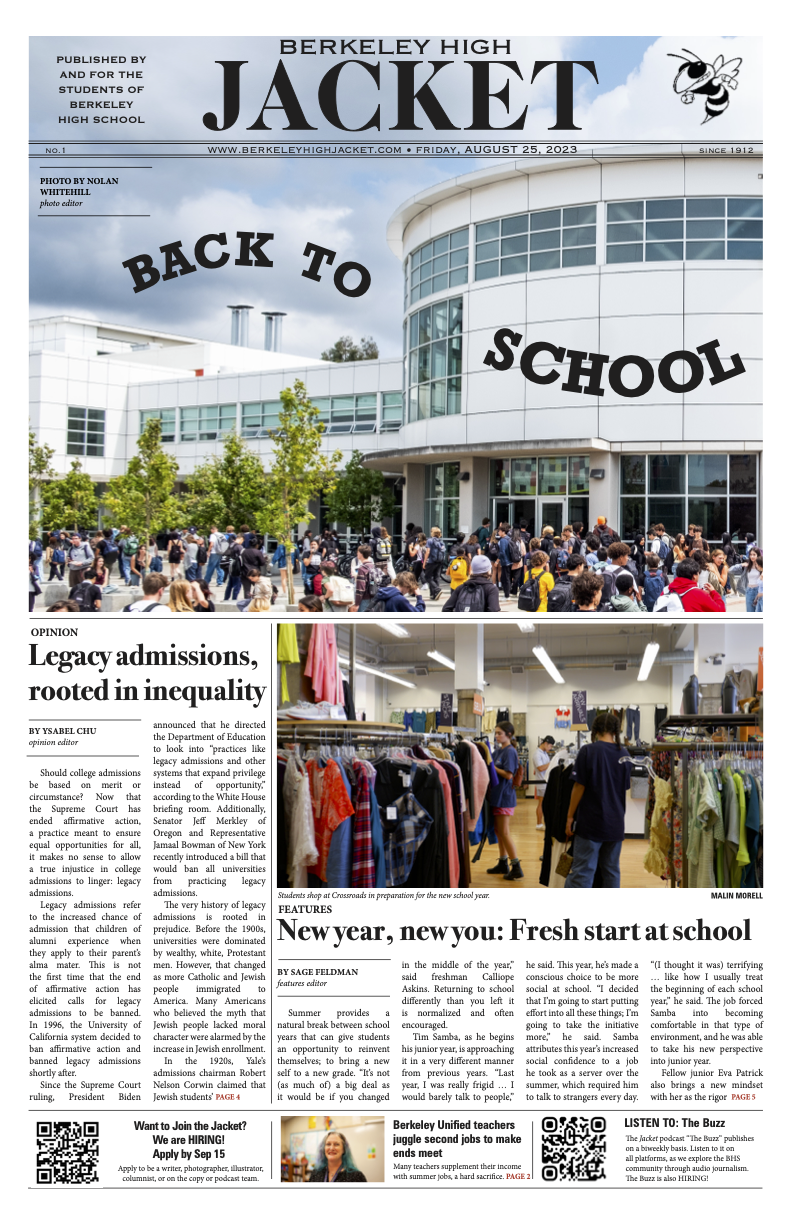

Just the other night, I found myself standing outside of the beloved Berkeley institution which sells hot dogs just one block off Telegraph Avenue. The line at Top Dog stood at around four people, myself and my lovely compatriot making for two more. The time was around 8 p.m., and there was a general bustle of college students about.
A few moments after we joined the line, a group of boisterous students fell into rank behind us. And another couple behind them, and then a group of three older gentlemen behind them. By the time we had gotten our order, the line stood at far too many to count, coiling and contorting just to stay within the bounds of the sidewalk.
According to the famously reliable internet, a long line at an establishment can serve as a social signal for quality and popularity to others. Which would prompt them as well to join the line. So, we have an equilibrium. A line which is long could attract more customers, but a line that’s too long would dissuade prospective hot dog enthusiasts. Any line under the “too long” threshold is perfect. That’s a Goldilocks line. I believe that this is the sort of line that I was standing in during the earlier anecdote, and also the reason that the establishment at which it occurred knows exactly what it’s doing.
For reference, though you probably don’t need one, Top Dog is tiny. Four people in line was enough for two more to push it out of the door. Because the line is now out the door, it provides something for a passersby to notice: “wow, the line is out the door." Even if they know the venue is tiny, it still looks “popular.” As the line grew, it attracted more people in a positive feedback loop which terminated wherever the threshold of “do I really want to wait that long” is for college students on a Saturday night. So, obviously, the establishment being small was a completely conscious choice on the owner’s part and completely independent of any other constraint.
I think that this is interesting because lines aren't the only examples of this behavior occurring. When debating whether or not to go to a recent dance, you probably heard people saying things like “I don’t want to go if no one else is.” Perhaps even “I’ll go if you will.” What’s even more interesting is that knowing this one can change outcomes, not unlike causing a larger line to form or perhaps causing your friend to also attend a dance by reassuring them that you’ll of course go. Being the first to do something, even small, can provide an opportunity to watch a “floodgate” open. Although it still isn’t really that consequential, I do think that it’s fun to watch the people as they pass through it, all of them waiting to see if it’s okay to do so.